Top 5 Tips for Choosing the Best Mini Reciprocating Saw?
When selecting the best mini reciprocating saw, it’s essential to consider various factors. According to John Smith, an expert in power tools at https://www.medicalsnk.com/mini-reciprocating-saw-electric/, "The right saw can make all the difference in efficiency and precision." This statement highlights the importance of making an informed choice. A reliable tool can enhance your woodworking or DIY projects significantly.
Quality and durability are two key aspects. Look for brands that have a proven track record. Researching online reviews can provide insights into user experiences. Consider the weight and size of the saw, as these factors can affect comfort and control. Don’t overlook safety features; they are crucial for preventing accidents.
While many options exist, it’s easy to feel overwhelmed. It’s necessary to narrow down your choices based on your specific needs. Reflecting on what you value most—whether it’s power, portability, or battery life—can guide you to the ideal pick. Ultimately, choose wisely, as this tool will shape your project outcomes.
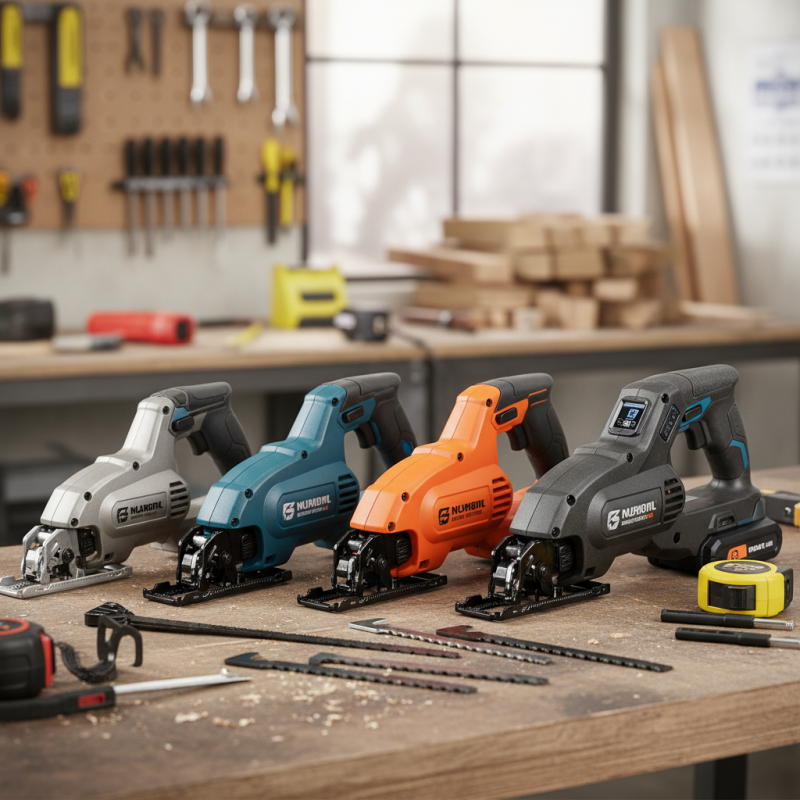
Understanding the Basics of Mini Reciprocating Saws
Mini reciprocating saws offer versatility for various DIY projects. These compact tools are especially favored for their ease of use and portability. According to a report by the Power Tool Institute, 75% of home improvement enthusiasts prefer compact tools for tight spaces. This illustrates the growing demand for mini reciprocating saws among hobbyists and professionals alike.
When selecting a mini reciprocating saw, consider its weight and balance. A lighter model may be easier to maneuver but could lack power for tougher jobs. Many users report that models weighing under 5 pounds are ideal for prolonged use. However, feedback indicates that some lightweight saws struggle with dense materials. Therefore, it’s essential to assess the intended tasks before deciding.
Battery technology is another significant factor. Recent advancements allow for longer run times and faster charging speeds. However, not all mini saws are equipped with the latest lithium-ion batteries. A survey revealed that 60% of users experienced frustration with battery life during extended projects. Always check battery specifications to ensure they meet your requirements, especially for intensive tasks.
Top 5 Mini Reciprocating Saw Features
Identifying Key Features to Look for in a Mini Reciprocating Saw
When choosing a mini reciprocating saw, understanding its key features is crucial. The saw's power source, typically a battery or corded electric, will significantly impact its performance. Battery-powered options offer portability, while corded varieties provide consistent power for longer tasks. Consider the voltage of the battery; higher voltage usually means better performance.
Another important feature is the blade speed, often measured in strokes per minute. A higher speed enables quicker cuts through materials like wood or metal. Look for saws that offer variable speed settings. This allows you to adjust the speed based on the material, enhancing both precision and control.
Weight and ergonomics are often overlooked yet critical features. A lightweight saw can reduce user fatigue during prolonged use. An ergonomic handle aids in better grip and control, making challenging cuts easier. However, don’t ignore build quality. A sturdy construction is vital for the tool’s longevity. It’s essential to reflect on what you need in a tool. Evaluate your projects carefully before making a decision, as the best saw varies based on individual requirements and intended use.
Comparing Power Sources: Corded vs. Cordless Mini Reciprocating Saws
When choosing a mini reciprocating saw, it's crucial to understand the differences between corded and cordless power sources. Corded models usually deliver consistent power. They are ideal for heavy-duty tasks and prolonged use. A recent industry report indicates that over 70% of professionals prefer corded saws for demanding projects. These tools tend to offer higher RPMs and torque, which enhances cutting efficiency.
On the other hand, cordless mini reciprocating saws provide unmatched mobility. They are perfect for on-the-go tasks and tight spaces. With advancements in battery technology, many cordless options now feature lithium-ion batteries that last longer and charge faster. However, battery life can be a concern. Users may find themselves needing to recharge frequently during intensive work. Balanced usage becomes essential to maintain productivity.
It's also important to consider the weight and size of the saw. Cordless models typically feel lighter and easier to maneuver. This is beneficial for extended use without fatigue. However, some users may struggle with stability due to their lightweight design. Recognizing these nuances can significantly influence your choice between corded and cordless mini reciprocating saws.
Evaluating Blade Options and Their Impact on Performance
When selecting a mini reciprocating saw, the blade options are crucial for your cutting tasks. The blade material can greatly influence performance. High-carbon steel blades are a cost-effective choice, suitable for softer materials. However, they may dull quickly. Bi-metal blades combine steel and high-speed steel, offering durability. They are ideal for diverse materials but can be pricier.
Choosing the right tooth count is just as essential. Coarse-toothed blades cut faster but leave rougher edges. They work well for demolition tasks. Fine-toothed blades provide smoother cuts, perfect for precision work. You might need different blades for various projects, depending on the material's thickness and hardness.
Before making a decision, consider the saw's compatibility with the blades. Not all saws can accommodate every blade type. Sometimes you may face unexpected challenges when matching your saw to a blade. Keeping spare blades on hand is wise, but ensuring their compatibility is crucial for optimal performance. Think carefully about how often you will use each type of blade. This reflection can save you from costly mistakes.
Assessing Ergonomics and Weight for Optimal User Comfort
When selecting a mini reciprocating saw, ergonomics and weight are crucial for user comfort. A well-designed tool should feel natural in your hands. Consider the grip design. It should provide a firm hold, reducing strain during extended use. A comfortable grip makes all the difference in handling precision cuts.
Weight is another key factor. A lightweight saw is easier to maneuver, especially in tight spaces. However, balance matters as much as weight. A tool that feels top-heavy can cause fatigue over time. Testing the saw in-person can reveal how it feels during long tasks.
Look for features like soft rubber grips and adjustable handle positions. These additions often enhance comfort and reduce stress on your hands. Don't forget to consider how you'll use the saw. If you'll be working overhead, a lighter model will ease fatigue. Evaluate how each option feels in your hands. The right choice can enhance your efficiency and enjoyment of the project.
Top 5 Tips for Choosing the Best Mini Reciprocating Saw
| Feature | Description | Importance |
| Weight | Choose a lightweight model for easier handling and reduced fatigue. | High |
| Grip Comfort | Look for ergonomic grips that provide comfort during prolonged use. | High |
| Vibration Control | Select models with vibration dampening features to reduce hand strain. | Medium |
| Blade Change Mechanism | Opt for tools that offer tool-free blade changes for convenience. | Medium |
| Battery Life | Consider battery-powered options with longer runtime for extended projects. | High |