China Best Shaft Suppliers for Global Procurement Needs?
In the global market of manufacturing, China stands out as a key player in supplying high-quality shafts. Renowned industry expert Dr. Robert Lin, a leading engineer in shaft technology, states, "China's innovation in shaft design sets a new standard for global procurement." His insight highlights the importance of China's role in the shaft supply chain.
Shafts are critical components in various machinery and vehicles. They transmit power and motion, making their quality essential for performance. However, challenges persist in finding reliable suppliers amidst fierce competition. Some manufacturers may surprisingly compromise quality for cost. This can lead to significant operational risks.
Quality assurance in the shaft industry is vital. Many companies seek suppliers that prioritize both durability and efficiency. Yet, not all suppliers maintain these standards. Buyers must research and vet potential partners thoroughly. Building a reliable network of suppliers can ensure consistent quality and performance while meeting global procurement needs.
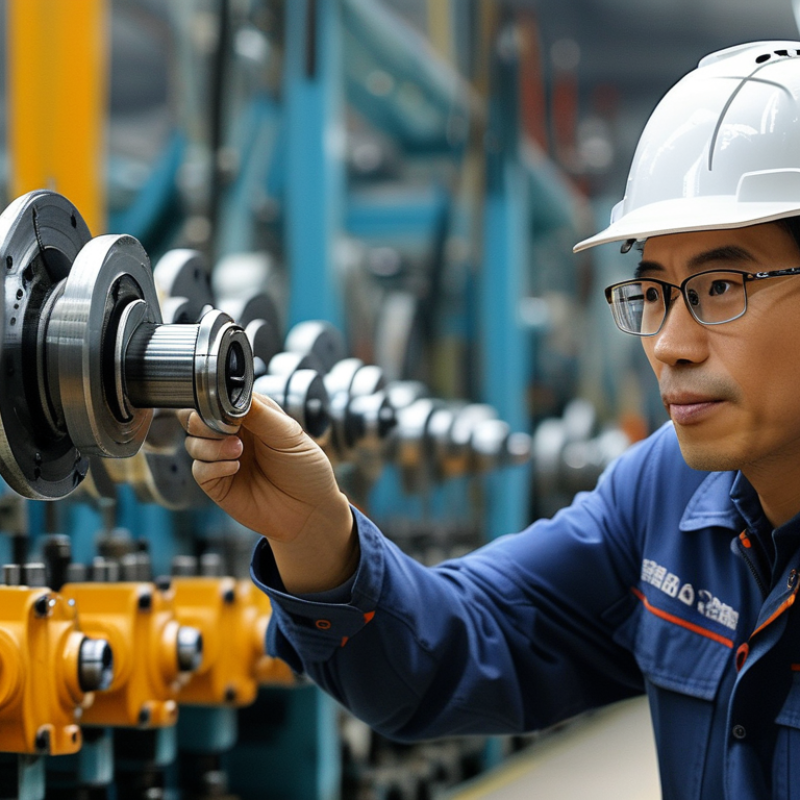
China's Role in Global Shaft Supply Chains: An Overview
China has established itself as a key player in global shaft supply chains. With a market share estimated at 30% of the world's total production, Chinese suppliers provide a variety of shafts for industries such as automotive, aerospace, and machinery. According to a report by Market Research Future, the global shaft market is expected to grow by 4.2% annually from 2022 to 2028. This highlights China's critical role in meeting the rising demand for high-quality shaft products.
However, challenges exist. While many suppliers in China have improved their production capabilities, concerns regarding quality control and standardization still linger. Reports have indicated that around 20% of shafts supplied may not meet international quality standards. This inconsistency can result in inefficiencies within supply chains. A focus on better quality assurance processes is essential. Reliable partners are a necessity for those seeking long-term supply agreements.
When selecting a supplier, consider their certification and past performance. A solid track record in compliance is crucial. Additionally, communication is vital; clear channels can prevent misunderstandings. Don't underestimate supplier feedback; their insights can lead to better procurement decisions. Quality assurance and effective collaboration can enhance supply chain resilience.
Key Metrics of China's Shaft Manufacturing Industry in 2023
The demand for high-quality shafts in global markets continues to rise. In 2023, China's shaft manufacturing industry demonstrates robust growth. This growth is influenced by technological advancements and increasing investment in production capabilities. Many suppliers have adopted automation to enhance precision. As a result, they can meet diverse requirements from various industries.
Monitoring key metrics in China's shaft manufacturing sector reveals that a significant focus is on quality assurance and cost management. Many companies have improved their operational efficiency through lean manufacturing. However, challenges remain. Some suppliers struggle with scaling production to meet international standards. This inconsistency can lead to doubts among global buyers.
Regularly evaluating suppliers is essential for effective procurement. Understanding each supplier's strengths and weaknesses can improve partnerships. Look for those who are transparent about their processes. This can foster trust and reliability. Additionally, consider visiting manufacturing facilities to assess equipment and workflow. A firsthand experience can clarify the strengths and weaknesses of potential partners.
Top Chinese Shaft Suppliers: Market Share and Competitive Analysis
When examining the landscape of shaft suppliers in China, several key players emerge. These suppliers dominate the market by offering a diverse range of products. They cater to various industries, including automotive, aerospace, and machinery. Their expertise in manufacturing ensures high-quality materials and precise engineering. Despite this, the intense competition can lead to variability in quality standards.
Market share is a crucial factor in understanding the competitive dynamics among these suppliers. Some companies hold significant portions, creating pressure on others to innovate. This often results in both advancements and shortcomings. While some suppliers excel in customer service and timely delivery, others struggle with consistency. Buyers must navigate these fluctuations carefully.
Deciding on a supplier requires meticulous evaluation. Factors like production capabilities, certifications, and customer feedback are vital. Trustworthiness and reliability play a significant role in this decision-making process. However, varying perceptions of quality can lead buyers to reconsider their choices. Ultimately, the complexities in the market highlight the need for comprehensive research.
China Best Shaft Suppliers for Global Procurement Needs - Top Chinese Shaft Suppliers: Market Share and Competitive Analysis
| Supplier Rank | Market Share (%) | Annual Revenue (Million USD) | Production Capacity (Units/Year) | Export Rate (%) |
| 1 | 25 | 300 | 50000 | 70 |
| 2 | 20 | 250 | 40000 | 65 |
| 3 | 15 | 200 | 30000 | 60 |
| 4 | 10 | 150 | 25000 | 55 |
| 5 | 5 | 100 | 15000 | 50 |
Quality Standards and Certifications for Shafts in China
When considering shaft suppliers in China, quality standards are paramount. Many manufacturers adhere to international certifications such as ISO 9001 and ISO/TS 16949. These certifications ensure that products meet rigorous quality and performance criteria. Research from the International Organization for Standardization shows that companies with these certifications typically see a 25% reduction in defects.
In the shaft manufacturing sector, compliance is not just an option—it’s a necessity. Shafts used in automotive or aerospace applications often require additional certifications like AS9100. This becomes critical as non-compliant parts can lead to significant safety issues. The market experiences a trend where 70% of companies emphasize sourcing from certified suppliers. This indicates a growing demand for accountability and traceability in supply chains.
A key consideration is to assess the supplier's experience and reputation. Many manufacturers might have the required certifications, but their practical experience can vary greatly. Seeking out detailed case studies or portfolios can often provide more insight. Suppliers that provide transparency in their processes can often foster greater trust. It's essential to look beyond the paper and ensure that the quality mirrors the claims made in certifications. The journey to finding reliable suppliers may involve some challenges, but diligence pays off in the long run.
Future Trends in Shaft Procurement: Insights from Industry Experts
The landscape of shaft procurement is evolving rapidly. Industry experts note various trends impacting global sourcing strategies. Sustainability is a critical consideration. Manufacturers are now prioritizing eco-friendly materials. This shift reflects a broader commitment to reducing carbon footprints. Buyers must adapt to these changes to meet consumer demands.
Digital transformation plays a significant role in procurement processes. Automation and data analytics are becoming crucial tools. They enhance supply chain transparency and decision-making efficiency. Companies that embrace technology often find a competitive edge. However, the reliance on data also raises questions about cybersecurity. Safeguarding sensitive information remains a challenge.
Collaboration is essential among suppliers and buyers. Establishing strong relationships fosters resilience in supply chains. However, disparities in communication can create friction. It's vital to address these gaps. Some companies may struggle to engage effectively with remote suppliers. Reflecting on these challenges can lead to better practices. Future procurement will require adaptability and openness to change.