Best Riding Mower Rake for Efficient Lawn Care Solutions?
Maintaining a beautiful lawn can be a challenging task. The right tools play a vital role in achieving optimal results. Among these tools, the "Riding Mower Rake" stands out. According to a recent industry report by Lawn Care Experts, nearly 70% of homeowners struggle with lawn debris management. A reliable rake can ease this burden.
Expert John Smith, a leading authority in lawn maintenance, emphasizes, “Using a Riding Mower Rake not only saves time but also enhances lawn health.” This tool helps efficiently gather grass clippings, leaves, and debris. Over time, it minimizes the risk of lawn diseases caused by decomposing materials.
While many embrace this technology, some overlook proper maintenance practices. A poorly maintained rake can lead to inefficiencies. Homeowners should ensure their rakes are clean and in good condition. Investing in a high-quality Riding Mower Rake can yield significant benefits for any lawn care routine.
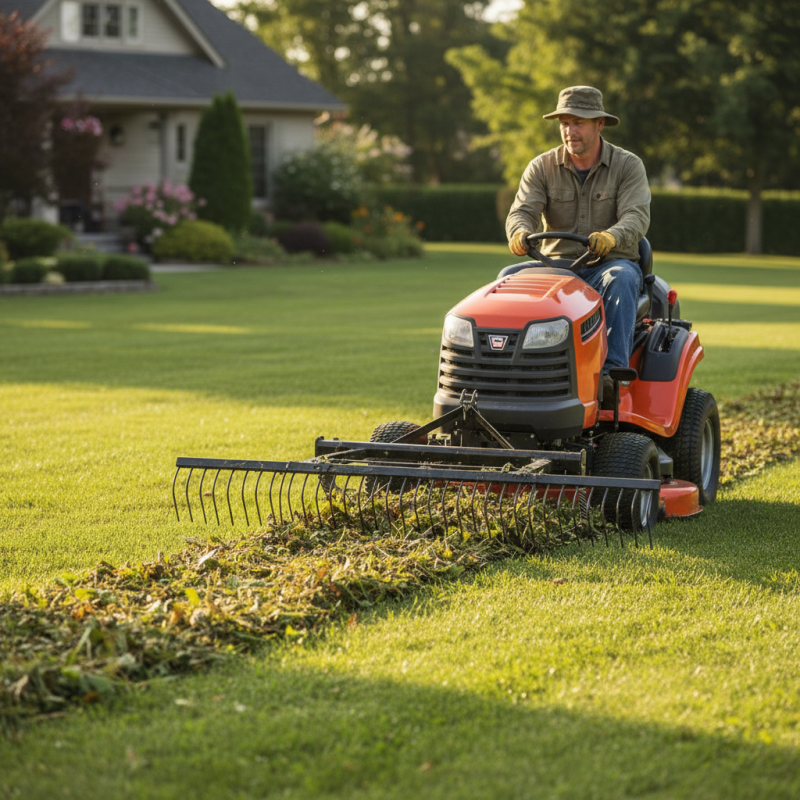
Understanding the Importance of Rakes for Lawn Care Efficiency
Rakes play a crucial role in lawn care efficiency. They help maintain a healthy lawn by removing debris like leaves, twigs, and thatch. Studies show that regular raking can increase grass growth by 25%. This growth boost is essential for vibrant and sustainable lawns.
Using a riding mower rake offers advantages. It allows for a large area to be covered quickly, reducing the physical strain on the user. Close evaluations reveal that homeowners can save up to 30% of their time compared to using traditional rakes. However, the effectiveness depends on the mower's compatibility and design. Sometimes, rakes can become clogged or miss debris in uneven terrains.
Not all rakes perform equally. Some users report dissatisfaction with the collection efficiency when pulling heavy debris. The rake weight and design can affect ease of use. It’s vital to understand that not every rake suits every lawn type. Local soil and grass conditions also influence performance. Careful selection and testing are key to achieving optimal results.
Best Riding Mower Rake for Efficient Lawn Care Solutions
| Rake Type | Material | Width | Weight | Price Range | Best Feature |
| Tow-Behind Rake | Steel | 48 inches | 50 lbs | $150 - $250 | Efficient debris collection |
| Leaf Rake | Plastic | 42 inches | 15 lbs | $30 - $70 | Lightweight and easy to handle |
| Garden Rake | Aluminum | 30 inches | 10 lbs | $20 - $50 | Durable and rust-resistant |
| Power Rake | Steel | 60 inches | 80 lbs | $300 - $500 | Powerful performance for heavy debris |
Types of Riding Mower Rakes and Their Unique Features
When it comes to lawn care, choosing the right riding mower rake can drastically improve efficiency. There are several types of rakes designed for different needs. For instance, a tow-behind rake attaches easily to your mower. It can clear debris over large areas quickly. If you're dealing with heavy leaves or grass, a heavy-duty rake may be necessary. This type features reinforced frames for durability.
Another popular option is the adjustable rake. This tool allows you to change the width and angle, catering to various terrains. This versatility can save time and effort, but make sure to check the adjustments frequently. Sometimes, the settings may shift during use, impacting performance.
Tip: Regularly maintain your rake to ensure long-lasting effectiveness. Clean it post-use to knock off debris and avoid rusting.
For those tackling smaller lawns, a smaller, manual rake may suffice. However, relying solely on manual tools can be exhausting. Consider investing in a combination of equipment for versatility and efficiency. Reflecting on the balance between manual and motorized tools can lead to a clearer sight of your lawn care approach.
Key Factors to Consider When Selecting a Riding Mower Rake
When selecting a riding mower rake, there are key factors that can significantly impact your lawn care efficiency. One essential element is the rake's width. A wider rake can cover more ground in less time, which is beneficial for larger lawns. However, narrower rakes can be more maneuverable in tight spaces, allowing for precise work around flower beds or trees.
The material of the rake is another crucial aspect. Metal rakes tend to be sturdier and can handle tougher debris. However, plastic or composite rakes are lighter and easier to handle. They may not be as durable but can be beneficial for routine maintenance. Think about the type of debris you’ll clear—twigs, leaves, or grass clippings—and choose accordingly.
Additionally, weight distribution plays a role in comfort and efficiency. A well-balanced rake reduces fatigue during prolonged use. However, some rakes might feel awkward if the weight is not evenly spread. It’s essential to test the rake if possible, as comfort can influence how frequently you use it. Ultimately, the right riding mower rake should meet both your lawn care needs and your personal handling preference.
Top Brands and Models for Riding Mower Rakes on the Market
When considering an efficient lawn care solution, selecting the right riding mower rake can make a significant difference. Various brands and models are available, each offering unique features to enhance your lawn maintenance. A key factor is the raking width, which determines how quickly you can collect clippings and debris. Wider rakes reduce the time spent raking, but may be more challenging to maneuver in tight spaces.
Some models provide adjustable height settings, allowing for better efficiency on uneven terrain. Look for rakes with durable construction that withstand frequent use. Some users appreciate those equipped with features like anti-clogging designs. However, it’s essential to read customer reviews to gauge reliability. Feedback from real users can unveil hidden strengths and weaknesses of specific options.
Not all rakes are created equal. While some excel at gathering leaves, they may struggle with heavier debris. This inconsistency can be frustrating. It’s advisable to consider your unique lawn conditions before making a decision. Keep in mind the frequency of use; an occasional user may prioritize different features compared to someone maintaining a large lawn regularly. Balancing desired features with practical applications is vital for effective lawn care.
Best Practices for Using Rake Attachments with Riding Mowers
When utilizing rake attachments with riding mowers, it’s crucial to follow best practices for optimal results. According to the Lawn and Landscape Industry Report, homeowners often overlook the importance of adapting their techniques to the specific conditions of their lawns. Grass types, seasonality, and debris quantity all impact efficiency. For instance, in the fall, dense layers of leaves can impede the rake's effectiveness.
Adjusting the mower’s speed while raking can significantly enhance performance. Studies show that operating at a moderate speed helps to prevent clumping and allows for a more thorough clean. However, many users tend to rush, resulting in missed spots and increased fatigue. Another aspect to consider is the angle of the rake. An improper angle can hinder the attachment’s ability to do its job, leaving some debris untouched. Aligning the rake attachment correctly ensures better collection of leaves, twigs, and other debris.
Maintenance of both the mower and rake is often neglected. Regular cleaning and inspection of the rake teeth can prevent buildup that decreases efficiency. Similarly, checking the mower’s blades and tires adds to the overall effectiveness. It’s a common oversight that can lead to frustrating experiences. Paying attention to these details can greatly improve the results of lawn care efforts.
Efficiency of Riding Mower Rake Attachments for Lawn Care