10 Best Dual Valve Options for Optimal Performance in 2026?
In the ever-evolving landscape of valve technology, the demand for dual valve systems is increasing. According to a recent market report by Valves Insights 2023, the dual valve segment is projected to grow at a CAGR of 8.5% through 2026. This growth highlights the critical role dual valves play in various industries, including oil and gas, water management, and HVAC applications.
Industry expert Dr. Laura Timmons, a leading researcher at ValveTech Innovations, asserts, “Dual valves offer unparalleled control and efficiency that single valve systems simply cannot match.” This sentiment echoes across engineering firms that rely on refined systems to optimize performance and reduce operational costs.
However, achieving optimal performance remains a challenge. Many users struggle with incorrect installations or maintenance issues that hinder efficiency. Additionally, selecting the right type of dual valve for specific applications can be daunting. As the industry standard shifts, understanding these nuances becomes essential for stakeholders aiming for success in 2026 and beyond.
The Importance of Dual Valve Systems in Modern Applications
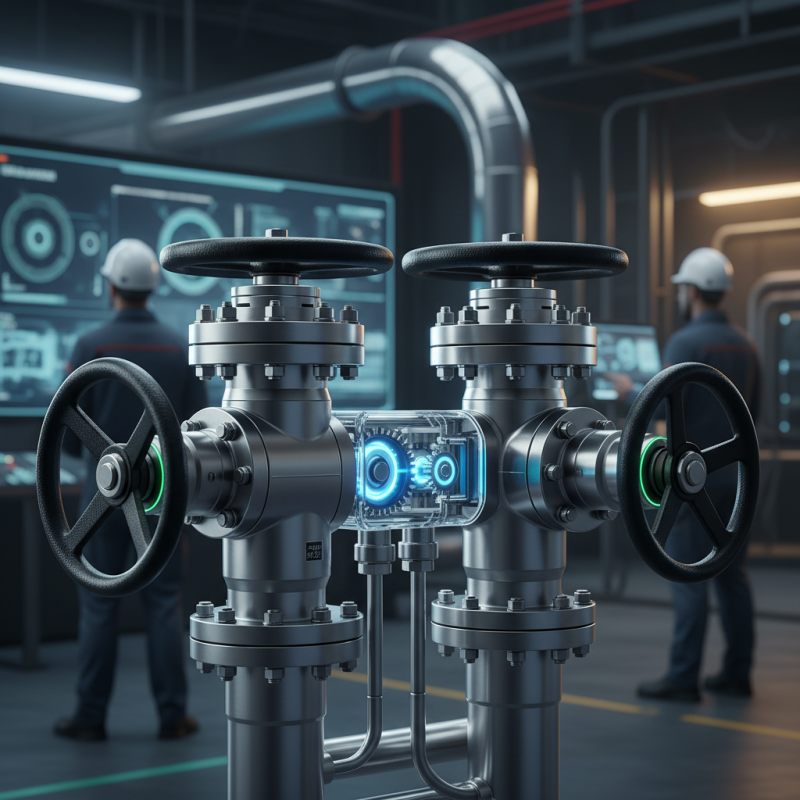
Dual valve systems play a crucial role in modern applications. These systems enhance efficiency, control, and automation across various industries. According to a recent industry report, dual valve configurations increase flow versatility by up to 40%. This flexibility allows for improved energy management and smoother operations in complex environments.
In industrial settings, dual valve systems facilitate better pressure regulation. They help maintain optimal working conditions, especially in processes requiring precise control. Statistics indicate that a well-implemented dual valve setup can reduce energy consumption by 20%. However, installation can be challenging. Many companies struggle to find the right balance in performance and reliability.
Moreover, maintenance of these systems can be overlooked. Neglecting to monitor valve performance often leads to inefficiencies. This can undermine the potential gains of dual valve technology. Companies must address these issues for effective implementation. Emphasizing regular check-ups and assessments can help maintain consistent performance over time. In a rapidly evolving market, staying ahead with dual valve systems is essential.
Top 10 Dual Valve Technologies in 2026: An Industry Overview
The dual valve technology landscape in 2026 presents intriguing advancements. Recent industry reports indicate a 25% growth in demand for efficient valve systems. This surge highlights the need for robust solutions that meet operational requirements. Companies are investing heavily in smart dual valve designs, tapping into automation and IoT for improved control.
Current data reveals that 60% of manufacturers prioritize dual valve systems for their reliability and energy efficiency. Many industries, especially oil and gas, report significant performance gains when utilizing these technologies. However, challenges such as integration complexities and varying standards persist. The need for standardization is crucial yet remains unresolved.
Amidst these advancements, not all dual valve technologies are created equal. Some systems still struggle with maintenance issues. Users often find themselves addressing unclear operational instructions. Diagnosing problems can be time-consuming, leading to unnecessary downtime. As the industry moves forward, it must continue to refine these technologies and address user concerns for broader adoption.
Comparative Analysis of Efficiency in Leading Dual Valve Models
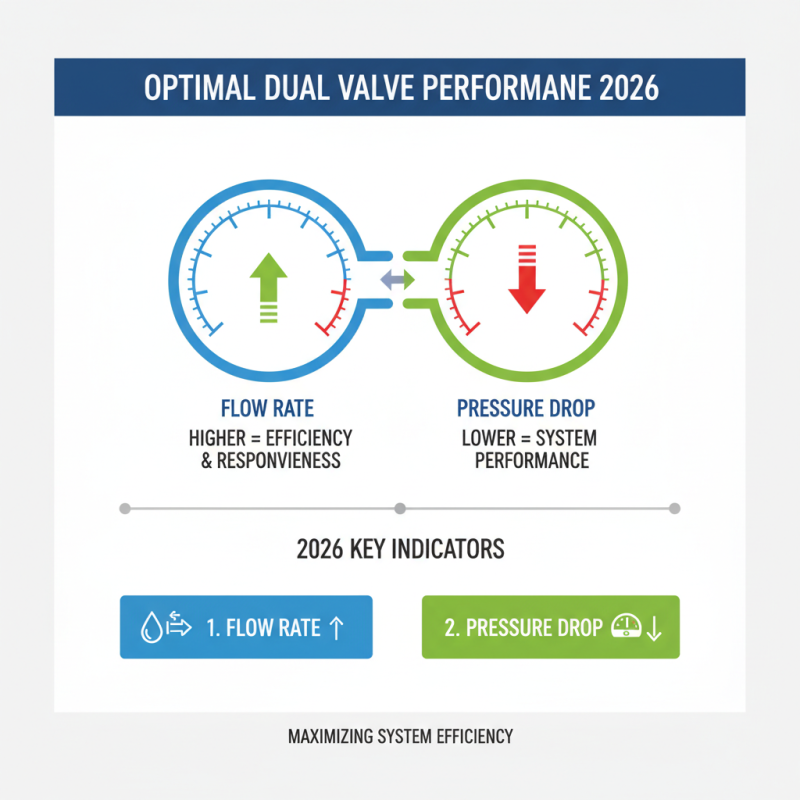
When considering dual valve options for 2026, efficiency is key. A comparative analysis reveals notable differences between leading models. Some valves impress with their flow rates, while others excel in energy consumption. It's fascinating to see how small design tweaks can lead to significant performance variations.
One model may have a sleek design, but it struggles with pressure control. Another option shows excellent reliability but could be better in terms of installation ease. Users often appreciate detailed manuals, yet even the best models can leave new owners confused. The balance between performance and user-friendliness remains a focal point in this analysis.
In terms of durability, certain dual valves outperform others under extreme conditions. Some materials used in construction seem promising but raise questions about long-term wear. Venturing into real-world applications, feedback from users highlights unexpected challenges. There’s always room for improvement, and understanding these nuanced differences can help buyers make informed decisions.
Future Trends and Innovations in Dual Valve Design for Optimal Performance
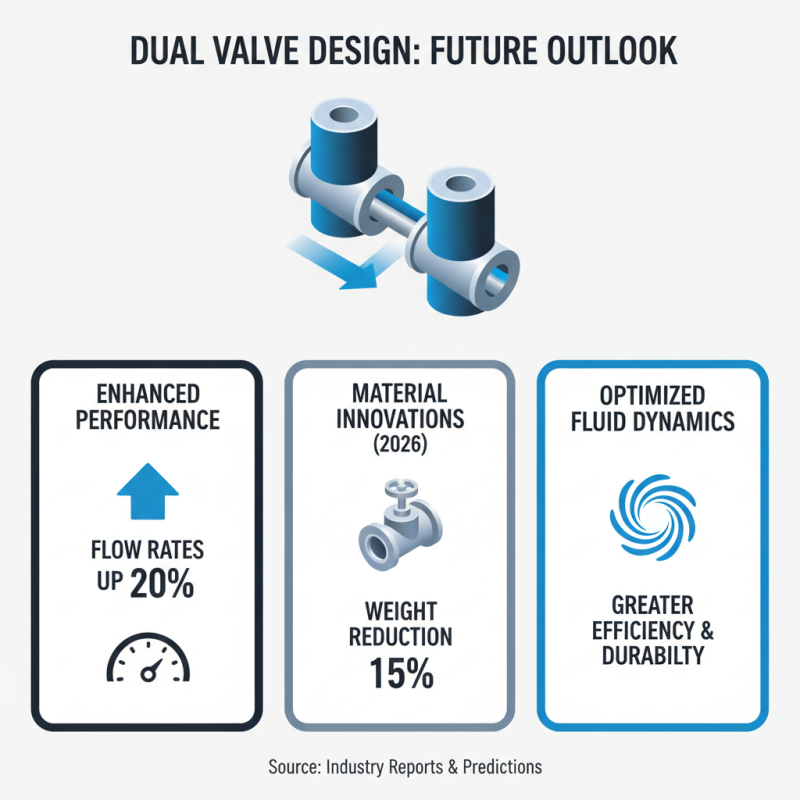
The future of dual valve design appears promising, aiming for enhanced performance and efficiency. Recent industry reports state that dual valve systems can boost flow rates by up to 20%. This statistic reflects the growing importance of optimizing fluid dynamics in various applications. Predictions indicate that by 2026, innovations in materials could reduce weight by 15%, while maintaining strength and durability.
Emerging trends also suggest a shift towards smart technology. Sensors integrated within dual valves could provide real-time performance data. This advancement enhances operational efficiency and allows for predictive maintenance. However, the reliance on technology may lead to vulnerabilities. Cybersecurity concerns surrounding connected devices are gaining attention. Companies must tread carefully as they balance performance improvements with data protection.
User feedback on existing systems often highlights inconsistent performance. Many dual valve users express frustration with traditional models. Some designs still suffer from leakage issues, which manufacturers need to address. Future development must consider user experience, not just technical specs. Engaging with end-users will be crucial in refining designs for optimal functionality and reliability.