2026 Best Deluge Valve Options for Effective Fire Protection Systems?
When it comes to fire protection systems, choosing the right deluge valve is crucial. These valves play a key role in effectively managing large volumes of water during a fire emergency. A reliable deluge valve not only activates the water flow but also ensures that it is distributed throughout the affected area. This timely response can make a significant difference in minimizing damage.
In 2026, various options for deluge valves are available. Each option has unique features geared towards enhancing safety. Some valves are designed for quick response, while others focus on durability and longevity. However, selecting the best one is not simple. Users must consider industrial standards and specific requirements of their fire protection systems. There’s always room for improvement in valve performance and installation practices.
It’s important to reflect on existing options critically. Feedback from users indicates that not all deluge valves perform optimally in specific conditions. Some may rust or fail under extreme conditions. This can lead to serious challenges during emergencies. Understanding these limitations could guide better choices in the future. A thoughtful approach to deluge valve selection can significantly enhance fire safety.

Overview of Deluge Valves in Fire Protection Systems
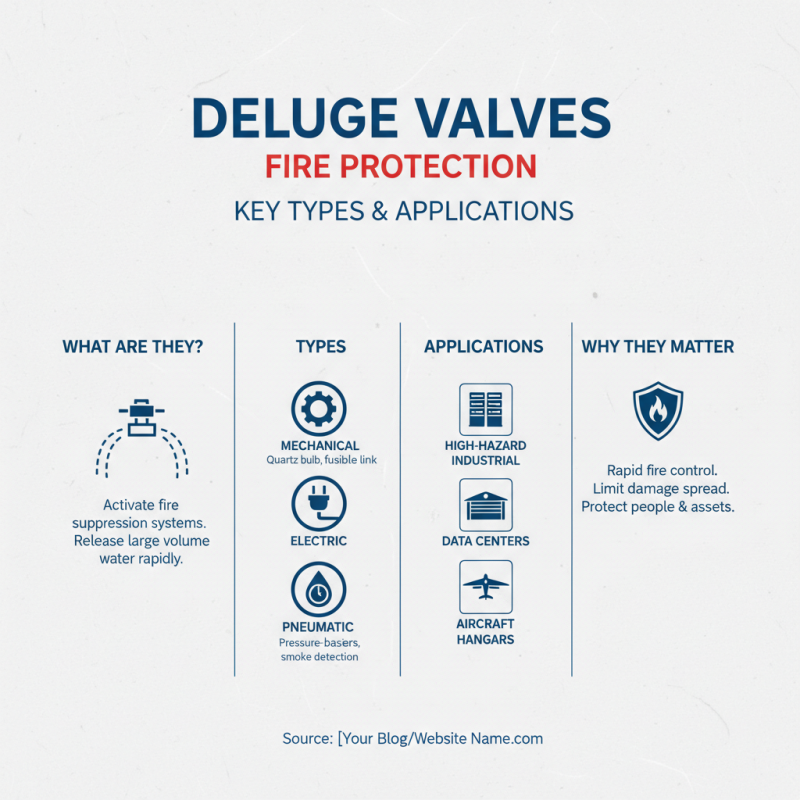
Deluge valves play a crucial role in fire protection systems. They are designed to release large volumes of water in a short time. This rapid response can suppress fires effectively. However, their activation must be well-timed and controlled. A malfunction could lead to serious consequences.
Understanding the mechanisms behind deluge valves is essential. They are often linked to fire alarm systems. When a fire is detected, the valve opens, allowing water flow. Choosing the right valve depends on specific requirements. Factors like pressure and flow rate are important. Balancing these elements can be challenging.
Regular maintenance should not be overlooked. A valve that is not regularly checked could fail when needed most. Training personnel to operate these systems is vital. Mistakes in operation can lead to unnecessary water damage. The implications of faulty deluge systems remind us of the importance of diligence.
Factors to Consider When Choosing a Deluge Valve
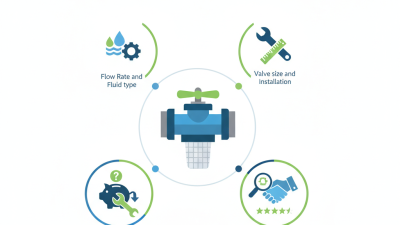
When selecting a deluge valve, key factors demand attention.
Pressure ratings are crucial.
The valve must withstand the maximum pressure of the water system. Typically, deluge valves operate at pressures around 150 psi.
This ensures proper function during a fire emergency.
Size is another significant consideration. A valve too large or small can disrupt system performance.
It's essential to match the valve size to pipe dimensions.
Industry reports indicate that improper sizing can decrease system efficiency by up to 30%.
Such waste can undermine critical fire protection.
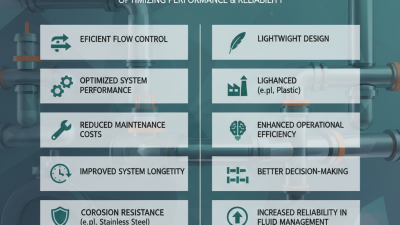
Material choice also matters. Deluge valves come in various materials, like brass, stainless steel, or plastic.
Understanding environmental conditions is vital. For instance, corrosive environments can degrade valve longevity.
Regular maintenance checks are necessary, as malfunctioning valves may cause system failure during critical moments.
Many systems face challenges due to overlooked maintenance aspects.
Top Recommended Deluge Valves for 2026
When selecting the best deluge valves for effective fire protection systems in 2026, knowledge is key. Deluge valves play a critical role in activating fire suppression systems. Their performance directly impacts the overall effectiveness of fire safety measures. Industry data shows that a well-functioning valve can reduce response time by as much as 50%.
For effective fire protection, consider flow characteristics. A high flow rate ensures that water or fire-suppressant agents are delivered quickly. Look for valves rated for high-flow applications, ideally over 500 gallons per minute. Remember, sizing is crucial. An oversized valve might not respond quickly enough. Conversely, an undersized one can lead to pressure loss.
**Tips:** Always conduct regular maintenance checks. Signs of wear can hide in plain sight. Also, familiarize your team with testing protocols. Regular drills ensure that everyone knows how to respond. Test fire suppression systems at least once a year. Failure to do so can have serious consequences.
Pay attention to installation practices. Even a superior valve can fail if improperly installed. Inadequate seals can lead to leaks, reducing system effectiveness. The pressure in the system can fluctuate. Make adjustments accordingly. Keep in mind that fire safety standards evolve. What works today may not suffice tomorrow. Adaptability is essential in fire safety designs.
2026 Best Deluge Valve Options for Effective Fire Protection Systems
This chart illustrates the performance ratings of the top deluge valve options for 2026, focusing on key metrics such as Flow Rate (GPM), Pressure Rating (PSI), and Activation Time (seconds). These metrics are important for assessing the efficacy of deluge valves in fire protection systems.
Maintenance and Performance Optimization of Deluge Valves
Effective maintenance of deluge valves is critical for any fire protection system. Regular inspections can prevent malfunction. Dust and debris can accumulate, causing valves to jam. A simple visual check might not be enough. It's essential to function-test these valves periodically. Even a small issue can lead to a large problem when fire strikes.
Performance optimization involves checking the pressure and flow rates regularly. Valves should respond swiftly to signals from the fire alarm system. Any delay can jeopardize safety. Remember, a valve that's working perfectly today may fail tomorrow. Scheduled maintenance is vital. Sometimes, replacing a worn part is necessary. It's an investment in safety that pays off.
Additionally, training staff on valve operation can enhance response efficiency. A few minutes of training can make a difference. Staff should know what to check during inspections. Incomplete training often leads to oversights. Awareness and readiness foster a culture of safety. Valves are only as reliable as the people who maintain them.