10 Best Deluge System Manufacturers for Global Buyers

Choosing a deluge system manufacturer is not merely a price comparison. It is a risk decision involving detection speed, hydraulic performance, corrosion control, testing, and long-term service.

The global fire protection systems market was valued at approximately USD 78 billion in 2023, according to MarketsandMarkets, with continued growth expected through 2028. However, broad market figures can hide important differences. A deluge system for an aircraft hangar faces different demands than one protecting a petrochemical loading rack. NFPA 15 and NFPA 16 emphasize application-specific water discharge, reliable actuation, and carefully calculated system design.

As fire-protection engineer David Hague has observed, “A deluge system is only as reliable as its detection, water supply, and maintenance.” This practical warning deserves attention. A sophisticated valve assembly cannot compensate for blocked nozzles, weak water pressure, or untested detection circuits.

The manufacturers reviewed in this guide were considered through several buyer-focused lenses. These include engineering capability, international certifications, product range, project experience, technical support, spare-parts access, and documented quality procedures. FM Global approval, UL Listing, LPCB certification, and compliance with recognized NFPA requirements may strengthen confidence, but certification alone is not a complete purchasing decision.

Details matter.

A neglected inspection record can matter more than a polished brochure. Some manufacturers publish excellent technical information, yet their regional support remains difficult to verify. That limitation should be acknowledged, not hidden. Global buyers should request current certificates, hydraulic calculations, reference projects, warranty terms, and local maintenance contacts before selecting a supplier.
10 Best Deluge System Manufacturers for Global Buyers

What Is a Deluge System and Where Is It Used?

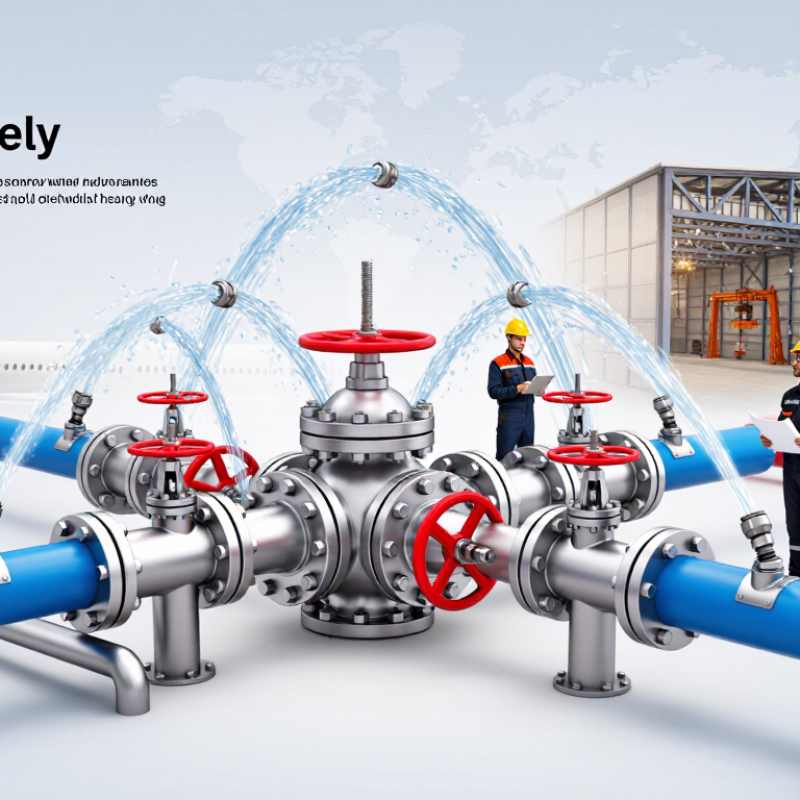
A deluge system is a fixed fire protection arrangement designed to release large volumes of water quickly. Unlike ordinary sprinklers, its discharge nozzles remain open. A deluge valve holds back the water until a detection device, manual release station, or approved control signal activates it. Water then reaches every nozzle at the same time.

This rapid response suits areas where fire can spread within seconds. Common applications include petrochemical processing zones, aircraft hangars, power plants, transformer yards, loading areas, and conveyor systems. In these locations, heat, fuel, electrical equipment, or moving materials can create intense hazards. Some installations use compatible foam solutions for specific liquid-fire risks, but the choice requires professional hydraulic and chemical review.

From a buyer’s perspective, the system is more than a valve and pipe network. Engineers must check water supply capacity, nozzle spacing, detection reliability, drainage, corrosion resistance, and maintenance access. Field inspections often find blocked nozzles or poorly protected detection cables. Small details matter. Local fire authorities and recognized engineering standards should guide the final design.

A practical concern is false activation. It can cause water damage, production loss, or unnecessary shutdowns. For that reason, reputable manufacturers should provide tested components, clear documentation, commissioning support, and training for operators. Their equipment must also match the site’s climate, pressure conditions, and inspection schedule. A cheaper system may look acceptable on paper, yet perform poorly when response time matters.
How to Evaluate Deluge System Manufacturers for Global Buyers

Choosing a deluge system manufacturer requires more than comparing prices. Global buyers should examine engineering depth, production controls, and field support. Ask for hydraulic calculations, valve test reports, nozzle coverage drawings, and material traceability. These documents show whether the system suits your hazard, rather than copying a catalogue design. Request evidence of compliance with applicable standards, such as NFPA or EN requirements, plus acceptance by the authority having jurisdiction. Local approval matters. A certificate alone may not.

Visit the factory, physically or through a documented remote audit. Look for calibrated test equipment, pressure records, assembly checks, and controlled storage for seals and actuators. Discuss commissioning at the actual site. A reliable manufacturer should explain flushing, alarm testing, drainage, and maintenance intervals clearly.

Confirm spare-part availability, response times, training, and technical support across time zones. Ask who owns design responsibility when conditions change.

A polished presentation can still conceal weak processes. Do not ignore small gaps. Missing serial numbers, vague warranties, or inconsistent drawings deserve questions. No supplier is perfect. Experienced buyers sometimes focus too heavily on delivery dates and overlook long-term service. Compare total lifecycle risk instead: false discharge exposure, corrosion, replacement access, and technician safety. Select a manufacturer that provides verifiable evidence, practical communication, and a realistic plan for difficult conditions.

10 Leading Deluge System Manufacturers and Their Core Strengths

The ten leading deluge system manufacturers compete through distinct core strengths, not identical product lists. Some focus on rapid water discharge for turbines, storage tanks, and process areas. Others specialize in foam-compatible systems, corrosion-resistant piping, or intelligent detection controls. MarketsandMarkets estimates that the global fire suppression systems market could grow from about USD 25.8 billion in 2023 to USD 35.8 billion by 2028. This growth supports demand for tested, integrated deluge solutions.

Certification and field support remain decisive for global buyers. Strong manufacturers typically provide hydraulic calculations, nozzle data, valve testing, and commissioning guidance. NFPA 15 remains a key reference for fixed water-spray design, while regional approval requirements may differ. A reliable supplier should explain those differences clearly. A polished datasheet is not proof of field readiness. Service quality matters more than brochures.

Tips: Compare response time, flow capacity, detection compatibility, and spare-part access. Request project references in similar climates and hazards. Check factory testing records, not only certificates. Smaller suppliers may offer faster engineering support, but their international service networks can be limited. That weakness deserves honest review. Market reports provide useful direction, yet site conditions, water quality, and maintenance discipline can change the final decision.

10 Best Deluge System Manufacturers for Global Buyers - 10 Leading Deluge System Manufacturers and Their Core Strengths

Manufacturer Profile Primary Deluge System Focus Typical Valve Configuration Common Detection and Release Options Relevant Standards and Approvals Typical Industries Served Core Strength Buyer Evaluation Point
Manufacturer 01 Open-nozzle deluge systems for rapid-area water discharge Hydraulically actuated deluge valve with manual emergency release Heat detection, flame detection, pneumatic release, and electrical release NFPA 15NFPA 16UL/FM options Oil and gas, chemical processing, power generation Fast suppression design for high-hazard areas Confirm hydraulic calculations, nozzle layout, and valve trim compatibility
Manufacturer 02 Foam-water deluge systems for flammable-liquid hazards Deluge valve connected to foam proportioning equipment Linear heat detection, flame detectors, and fire alarm release panels NFPA 11NFPA 16Local authority approval Fuel terminals, aircraft hangars, marine facilities Integrated foam application and proportioning capability Check foam concentrate compatibility, proportioning accuracy, and discharge duration
Manufacturer 03 Pre-engineered deluge packages for industrial protection Factory-assembled valve skid with isolation and test connections Electric release, pneumatic release, and manual activation stations NFPA 13NFPA 72Factory testing Manufacturing plants, warehouses, process buildings Shorter installation time through packaged assemblies Review package dimensions, connection standards, and site commissioning scope
Manufacturer 04 Firewater deluge systems for outdoor equipment exposure protection Hydraulic or pneumatic deluge valve with sectional isolation Flame detection, fusible elements, pilot line release, and remote activation NFPA 15API practicesIECEx environments Refineries, LNG facilities, compressor stations Large-area cooling and exposure protection Verify water density, obstruction rules, drainage, and winterization requirements
Manufacturer 05 Corrosion-resistant deluge equipment for demanding environments Coated or corrosion-resistant valve trim with remote reset features Addressable fire alarm interface, flame detection, and pneumatic detection NFPA 20NFPA 72Marine approval options Offshore platforms, coastal plants, wastewater facilities Material selection for saltwater and corrosive atmospheres Compare body materials, coating systems, elastomers, and maintenance intervals
Manufacturer 06 High-capacity deluge systems for critical infrastructure Large-diameter deluge valve assemblies with redundant release paths Dual-confirmation detection, fire alarm logic, and emergency manual release NFPA 15NFPA 72Third-party listing options Power stations, data centers, substations, utility facilities High flow capacity and operational redundancy Assess water supply reliability, required response time, and redundancy philosophy
Manufacturer 07 Compact deluge systems for constrained industrial layouts Compact valve station with reduced footprint and accessible test trim Electric solenoid release, local manual release, and supervisory monitoring NFPA 13NFPA 72CE-oriented documentation Process skids, enclosed machinery spaces, commercial facilities Space-efficient design and simplified maintenance access Check maintenance clearance, drain routing, pressure-loss data, and spare-part access
Manufacturer 08 Remote-controlled deluge systems for unmanned or distributed sites Supervised electric release trim with remote monitoring interface Addressable detection, PLC interface, satellite site alarm, and manual release NFPA 72IEC 61508 considerationsLocal code compliance Pipeline stations, renewable-energy sites, remote terminals Remote supervision and integration with centralized control systems Verify communication reliability, fail-safe behavior, cybersecurity, and local override
Manufacturer 09 Water-mist and deluge hybrid protection for specialized hazards Deluge valve combined with engineered mist or fine-spray nozzles Flame detection, heat detection, and fire alarm control logic NFPA 750NFPA 15Performance-based approval Turbine enclosures, machinery rooms, transport infrastructure Reduced water demand for selected enclosed hazards Require full-scale testing evidence, nozzle performance data, and enclosure analysis
Manufacturer 10 Customized deluge systems for EPC and multinational projects Project-specific valve stations with configurable trim and documentation Integrated fire and gas system, pneumatic release, electric release, and manual backup NFPAAPIIECCountry-specific codes Large EPC projects, petrochemical complexes, international infrastructure Engineering documentation and multi-standard project adaptation Evaluate calculations, drawings, inspection plans, FAT procedures, and after-sales support

Key Product, Certification, and Support Differences to Compare

When comparing deluge system manufacturers, examine the product evidence, not only the catalogue. NFPA reported 1,504,500 fires and $18.1 billion in U.S. property damage during 2022. That scale makes dependable release performance more than a purchasing detail. Ask for nozzle flow data, valve response time, pressure-loss calculations, alarm integration details, and full material specifications. Request testing records for the exact configuration, not a similar model.

Certification also varies by market. UL Listed and FM Approved products usually provide third-party performance verification, while LPCB certification may support projects requiring European or international approval routes. CE or UKCA marking addresses applicable market conformity, but it does not always prove fire-performance testing. Check the certificate scope, production location, listed components, and allowable installation conditions. A certificate can look impressive and still exclude your required valve size or control arrangement.

Support separates capable suppliers from convenient sellers. Compare hydraulic design assistance, commissioning supervision, spare-parts availability, training, and response times across time zones. FM Global Data Sheet 2-81 stresses disciplined inspection, testing, and maintenance for water-based fire protection systems. That guidance should influence your service agreement. I would also request a sample inspection checklist and a remote troubleshooting procedure. Documentation is often weak. Do not assume a global sales office means local technical support. A practical factory audit, witnessed test, and reference-site conversation can reveal gaps that polished brochures hide.

How to Select the Right Manufacturer for Your Project

10 Best Deluge System Manufacturers for Global Buyers

How to Select the Right Manufacturer for Your Project

Choosing a deluge system manufacturer requires more than comparing valve prices. NFPA reported 1,388,500 fires and approximately 21.9 billion dollars in direct property damage in the United States during 2023. These figures show why fire protection decisions need evidence, not optimistic sales claims. Review the manufacturer’s testing records, quality controls, and experience with hazards similar to yours.

Check certification against recognized requirements, including NFPA 13, UL 260, and ISO 6182-5. Ask for current certificates, not scanned documents with unclear dates. Confirm the supplier can provide hydraulic calculations, discharge data, compatible detection devices, and installation guidance. A strong manufacturer should explain how the system performs in cold climates, corrosive rooms, and facilities with limited water pressure.

Local support matters greatly. Verify spare-part availability, technician training, response times, and commissioning procedures in your region. Request references from comparable industrial projects, while remembering that one successful installation proves little. The FM Global Property Loss Prevention Data Sheets also emphasize water-supply reliability, equipment maintenance, and hazard-specific design. Do not ignore those details.

Some buyers choose the lowest quotation. That can become expensive during testing or replacement. Ask difficult questions early. Mistakes happen, even in well-managed projects. A practical factory audit, witnessed valve test, and independent design review may reveal weaknesses before shipment.

Request a Quote/Further Information

    Download