Best Circular Vibrating Screen for Your Industrial Needs?
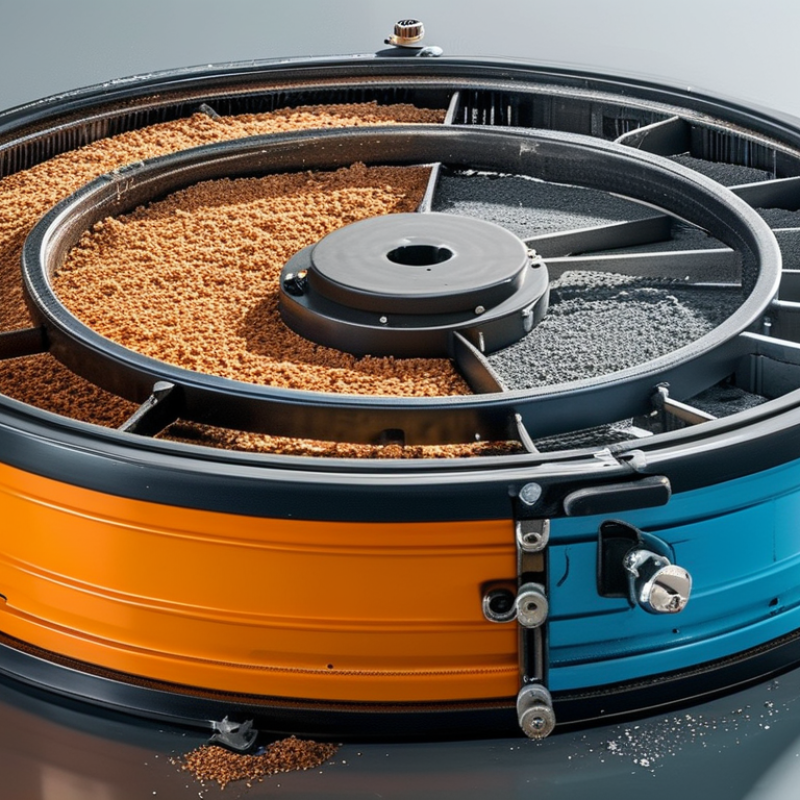
When it comes to industrial screening solutions, the Circular Vibrating Screen stands out. This equipment is designed to handle various materials with optimal efficiency. Its unique motion allows for effective separation and grading, making it a staple in many industries.
Choosing the right Circular Vibrating Screen can be challenging. Different industries have unique needs. Factors like material type, processing volume, and specific application come into play. The best choice balances performance, durability, and cost-effectiveness.
Investing in a high-quality Circular Vibrating Screen can enhance productivity. However, businesses must evaluate their specific requirements carefully. This equipment not only impacts output but also affects long-term operational costs. Understanding these nuances is essential for making an informed decision. Quality matters, but so does the right fit for your operations.
Understanding Circular Vibrating Screens and Their Applications
Circular vibrating screens play a crucial role in various industries. They separate materials based on size, providing effective solutions for processing. In sectors like mining, agriculture, and food production, the demand for these screens continues to rise. According to a recent market report, the global circular vibrating screen market is projected to reach $1.5 billion by 2026, growing at a CAGR of 5.8%.
These screens work by utilizing a circular motion, ensuring efficient material separation. Their applications range from granules in agriculture to minerals in mining. With sizes usually varying from 1 to 6 layers, they can accommodate diverse material types. However, they might not always achieve the desired efficiency. Factors like screen wear and improper setup can significantly impact performance.
Tips: Regular maintenance is essential. Inspect screen surfaces for wear and tear to avoid unexpected stops. Adjust the inclination angle for optimal material flow. Consider the type of material being processed, as this affects screen performance. Investing in proper training for operators can also enhance productivity. Understanding these nuances can lead to better industrial outcomes.
Key Features to Look for in a High-Quality Circular Vibrating Screen
Choosing the right circular vibrating screen is crucial for industrial operations. Several key features distinguish high-quality models. One important aspect is the screen's amplitude. Different materials require varied amplitudes for optimal separation. A study by the Industrial Screening Association shows that an amplitude range of 0.5 to 5 mm works best for many applications.
Another key feature is the screen's mesh size. Smaller mesh sizes provide finer separation, critical for industries like pharmaceuticals. Meanwhile, larger mesh sizes are suitable for mining and aggregate materials. The right mesh can significantly enhance productivity and efficiency.
Tip: Regular maintenance can prolong the lifespan of your circular vibrating screen. Regularly checking for wear and tear can save on costly replacements.
It's also essential to consider the load capacity of the screen. Ensure it meets the demands of your production line. An overloaded screen can lead to breakdowns, resulting in downtime. The balance between load capacity and operational efficiency is often overlooked.
Tip: Conduct periodic reviews of your production needs. This helps in selecting a screen that adapts to changing requirements. Being proactive reduces future risks and enhances reliability.
Comparison of Key Features in Circular Vibrating Screens
Top Brands and Models of Circular Vibrating Screens in the Market
When selecting the best circular vibrating screens for industrial needs, it's crucial to consider the top brands and models available. Industry reports indicate that the demand for efficient screening systems has surged. In sectors like mining and construction, the need for reliable screening processes is paramount. Studies show that using high-quality circular vibrating screens can improve material separation efficiency by up to 30%.
Leading models feature advanced vibrating technology. Many screens are designed with adjustable amplitudes to cater to various materials. Recent analyses indicate that screens with improved durability can significantly reduce maintenance costs. In fact, equipment failure can lead to production halts, costing up to $20,000 per hour.
However, not all brands deliver the same performance. Some models fall short of expectations, leading to inefficiencies. Evaluating features such as frequency, amplitude, and deck size is vital. Users often overlook these elements, which can result in subpar outcomes. Inadequate training on operation can further exacerbate these issues, impacting productivity and output quality.
Maintenance Tips for Optimal Performance of Circular Vibrating Screens
Maintaining a circular vibrating screen is essential for optimal performance. Regular checks on the screen's tension can prevent unnecessary damage. Excessive slack can lead to ineffective separation and increase wear and tear. Ensure the screen mesh is properly aligned, reducing the risk of material leakage.
Consider these tips for better maintenance. Clean the screen regularly to avoid build-up of debris. A clogged screen can hinder performance significantly. Examine the structural components often. Look for signs of wear or corrosion. Address these issues promptly to maintain efficiency.
Monitor the vibration levels. Excessive vibrations might indicate imbalances or misalignments. These can lead to mechanical failure over time. Consult with a professional if you notice persistent irregularities. Prioritizing consistent checks can lead to a longer lifespan for your equipment, ultimately saving costs in the long run.
The Role of Circular Vibrating Screens in Enhancing Industrial Efficiency
Circular vibrating screens play a crucial role in enhancing industrial efficiency. These machines separate materials based on size and shape, making them indispensable in various sectors. Their design allows for high throughput and better product quality. Businesses can greatly reduce downtime with the right vibrating screen in place.
Moreover, the maintenance of these screens is vital. Regular checks are necessary to ensure optimal performance. An overlooked screen can lead to significant losses in productivity. It's essential to train staff in proper handling to avoid common pitfalls. Investing time in maintenance can lead to a more efficient operation.
Choose a circular vibrating screen that fits your specific needs. A mismatch can create inefficiencies. Consider factors like material type and desired output. An informed selection can save resources in the long run. Regular evaluations of equipment ensure that operations remain smooth and efficient.