2026 Best Cable Connector Options for Global Buyers?
In the rapidly evolving landscape of connectivity, selecting the right cable connector is paramount for global buyers. The global cable connector market was valued at over $28 billion in 2022, as reported by Mordor Intelligence. This figure reflects a growing demand for efficient, durable, and versatile connectivity solutions across various industries, including telecommunications, automotive, and consumer electronics.
However, not all cable connectors meet the rigorous standards of reliability and performance. Recent challenges, such as supply chain disruptions and technological advancements, necessitate careful consideration in procurement choices. Despite an abundance of options, buyers often face difficulty in distinguishing quality products from subpar alternatives.
With the focus on sustainability and the push for greener technologies, the best cable connector options are not just about compatibility. Features like material durability, ease of installation, and long-term performance are crucial. As we delve into the best cable connector options for 2026, it is essential to reflect on these evolving factors. Understanding market trends and buyer needs can help in making informed decisions that stand the test of time.
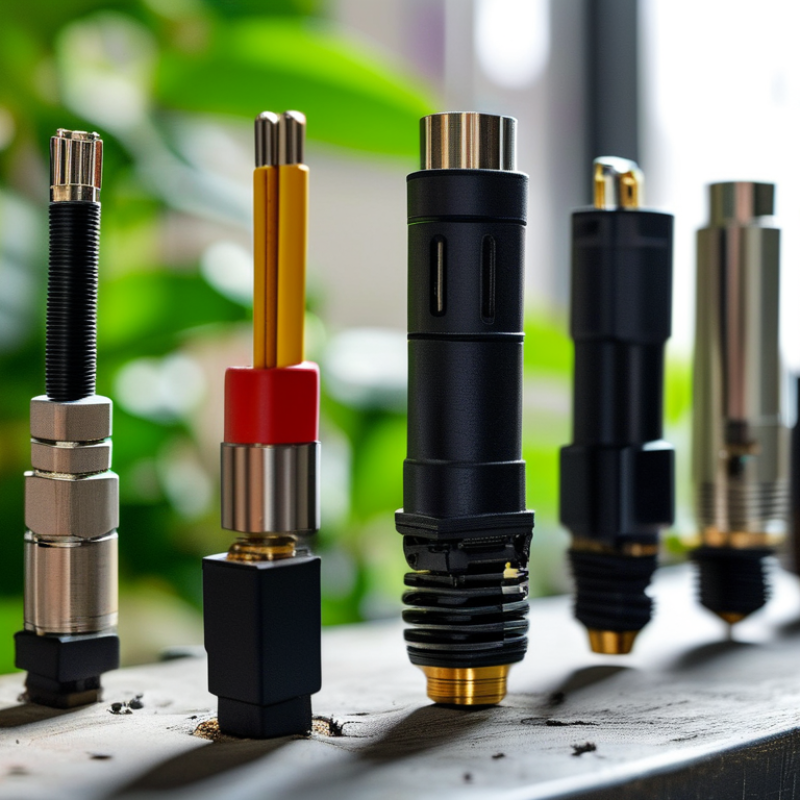
Top Trends in Cable Connector Technology for 2026
As the demand for reliable connectivity grows, cable connector technology is evolving rapidly. In 2026, significant trends are shaping the industry. One major trend is the rise of hybrid connectors. These devices combine various data and power connections into a single unit. This reduces clutter and enhances system efficiency. Users are seeking more integrated solutions to simplify installations.
Another important trend is miniaturization. As devices become smaller and more portable, connectors need to adapt. Manufacturers are working on designing connectors that occupy less space without sacrificing performance. Users should pay attention to this development. Smaller connectors often improve device aesthetics and usability.
Tips: Consider the durability of connectors. Look for materials that resist corrosion and wear. Also, ensure compatibility with your devices. Not all connectors suit every application. Regularly review new technologies to stay ahead of changes. As this is a fast-paced industry, being informed helps in making better choices. Keep an eye on emerging manufacturers. They may offer innovative solutions that challenge established norms.
Analysis of Environmental Impact on Cable Connectors
In recent years, the environmental impact of cable connectors has emerged as a critical issue. As the demand for connectivity grows, so does the need for sustainable practices in manufacturing these components. The production process often involves harmful materials and significant energy consumption. Many manufacturers face challenges when balancing performance and eco-friendliness.
The recyclability of cable connectors is also a pressing concern. Many are made from mixed materials, making recycling difficult. Educating consumers on proper disposal methods can reduce waste. However, awareness levels vary among global users, highlighting a gap in environmental responsibility. Suppliers should create easy-to-understand guidelines for recycling.
Investing in sustainable materials is a promising direction. Bio-based plastics and recyclable metals are gaining attention. Still, challenges exist in achieving the desired performance without compromising environmental standards. As the industry evolves, the conversation around eco-friendly cable connectors needs to deepen, prompting both manufacturers and buyers to reflect on their choices.
Market Share and Growth Projections for Cable Connectors in 2026
As the global market for cable connectors evolves, projections for 2026 indicate significant growth. The cable connector market is expected to reach approximately $34 billion by this time, driven by the increasing demand for high-speed connectivity in various sectors. A report by XYZ Research highlights a CAGR of 8% from 2021 to 2026. This growth is largely attributed to advancements in telecommunications, consumer electronics, and automation.
Understanding market share dynamics is crucial for potential buyers. North America is predicted to hold the largest share, followed closely by Asia-Pacific regions. Key drivers include robust investments in 5G infrastructure and the Internet of Things (IoT). Buyers should be aware of emerging technologies that could disrupt traditional connector markets.
Tips: Always evaluate connector compatibility with your existing technology. Look for connectors that support future-proofing features. Consider environmental factors; connectors must withstand various conditions. In a rapidly changing market, flexibility in selection is crucial. Make informed decisions by analyzing trends and consulting industry reports.
Comparative Study of Material Durability in Cable Connectors
When selecting cable connectors, material durability is crucial. The longevity of connectors often hinges on the materials used. Common materials include brass, aluminum, and plastic. Each comes with strengths and weaknesses. Brass connectors are known for their corrosion resistance and conductivity. They are suitable for various environments, but they can be costly. Aluminum connectors are lighter and less expensive but may corrode over time in harsh settings.
Plastic connectors are often used for their lightweight and non-corrosive properties. However, they tend to be less durable than metal options. In extreme conditions, plastic can degrade or become brittle. It is essential to choose the right material based on the application’s specific needs. Factors like temperature, humidity, and exposure to chemicals can affect performance.
Despite the clear benefits of durable materials, some manufacturers may overlook these aspects. This can lead to premature failure. Buyers should conduct thorough research before making a decision. Understanding the environmental impact on material durability is vital. Evaluating long-term reliability can help avoid costly replacements. Choices should not be made lightly; sometimes, the obvious option isn’t the best one.
Key Manufacturers and Innovative Products Shaping the Cable Connector Market
The cable connector market is evolving rapidly. According to Frost & Sullivan, the global cable connector industry is expected to grow at a CAGR of 6.2% from 2021 to 2026. This growth is fueled by increasing demand in telecommunications, automotive, and consumer electronics sectors.
Innovative products are emerging from key manufacturers. These advancements include enhanced materials that improve durability and performance. The introduction of flexible connectors has also gained traction, allowing for better installation in confined spaces. Sustainability is another focus area, with some companies exploring recyclable materials for their connectors. However, not all manufacturers are meeting these new standards.
Challenges still exist in quality control and product consistency. Some cable connectors have been reported to fail under heavy stress. This inconsistency raises questions about manufacturing practices. Addressing these issues is crucial to maintain trust and reliability in the market. Continuous improvement is needed for manufacturers to keep up with industry demands and technological advancements.
2026 Best Cable Connector Options Overview