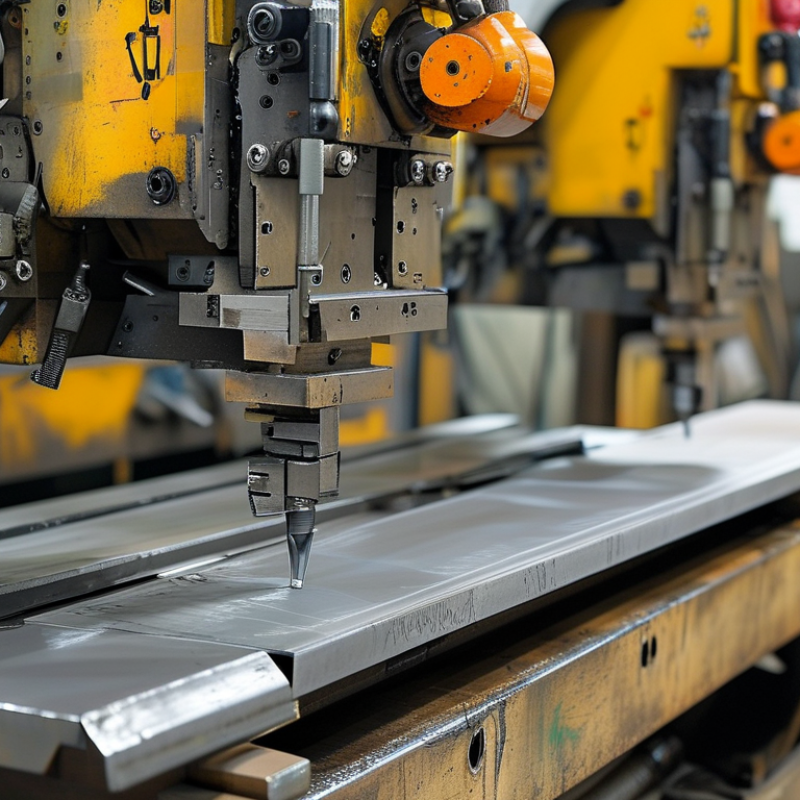
Best Bending Presses for Efficient Metal Fabrication?
Bending Presses play a crucial role in metal fabrication. They reshape metal, ensuring precision and efficiency. With so many options available, choosing the right bending press can be challenging.
Selecting a bending press requires careful consideration of various factors. The size, capacity, and type of the press can impact overall productivity. Moreover, the technology and features can vary greatly among different models. It's important to evaluate these aspects based on your specific needs.
Consider the versatility of the bending press. Some may offer advanced features, while others may focus on simplicity. Finding the right balance is essential. Investing in a high-quality bending press can be costly. Yet, it pays off with increased efficiency and lower operational costs in the long run.
Best Bending Presses: Key Features and Considerations for Selection
Choosing the right bending press can significantly impact your metal fabrication efficiency. When selecting a bending press, consider crucial features like tonnage, bed length, and stroke. These factors influence the press's capacity and versatility. According to a recent report from the Fabricators & Manufacturers Association, 42% of metal fabricators prioritize precise control systems for improved accuracy in their bending processes.
Before you purchase, evaluate the tonnage required for your typical applications. Higher tonnage values provide greater bending strength but come with increased costs. It is vital to balance needs with your budget. Pay attention to the machinery's bed length, as it affects the size of materials you can work with, determining overall production capabilities.
**Tip:** Regular training for operators can enhance productivity and safety. A skilled operator will utilize bending presses more effectively. Sometimes, even minor adjustments can lead to noticeable gains in efficiency.
Maintenance is another key consideration. Many operators neglect ongoing care, leading to machine downtime. Routinely check hydraulic systems and lubrication points, which can prevent costly breakdowns. Remember that investing time in upkeep can yield significant returns.
Types of Bending Presses: Hydraulic vs. Mechanical Approaches in Industry
When considering bending presses for metal fabrication, the choice between hydraulic and mechanical systems stands out. Hydraulic presses utilize fluid power, allowing for the application of force in varying degrees. This adaptability makes them suitable for a wide range of materials and thicknesses. In fact, industry reports suggest that hydraulic presses can handle materials up to 14 inches thick. They offer precision and control, crucial for intricate designs.
On the other hand, mechanical presses work through a direct conversion of energy and typically excel in high-speed operations. They are known for their efficiency, especially in continuous production lines. However, they may have limitations in flexibility compared to hydraulic systems. According to the Fabricators & Manufacturers Association, mechanical presses are about 20% faster than their hydraulic counterparts, making them ideal for simpler tasks needing quicker turnaround times.
Both systems come with their own challenges. Hydraulic systems may face issues related to fluid leaks or maintenance needs. Meanwhile, mechanical presses can suffer from wear and tear over time, affecting their reliability. Understanding these differences is essential for selecting the right bending press tailored to specific fabrication tasks.
Best Bending Presses for Efficient Metal Fabrication
| Type | Force (Tons) | Bending Speed (mm/s) | Precision (mm) | Cost (USD) |
| Hydraulic Bending Press | 150 | 20 | 0.02 | 30,000 |
| Mechanical Bending Press | 120 | 25 | 0.05 | 25,000 |
| Electric Bending Press | 200 | 30 | 0.01 | 35,000 |
| CNC Bending Press | 250 | 15 | 0.015 | 50,000 |
Efficiency Metrics: Analyzing Cycle Times and Production Rates
When analyzing cycle times and production rates for bending presses, several key metrics emerge. Efficient cycle times are crucial for productivity. Reports indicate that the average cycle time for modern bending presses ranges between 20 to 50 seconds per part. However, certain processes can extend these times significantly, especially when setup involves complex configurations. This variance highlights a need for continual assessment and adjustment to streamline operations.
Production rates are another critical factor. Data suggests that advanced bending presses can achieve production rates upwards of 300 parts per hour in ideal settings. However, real-world scenarios often see lower rates due to factors like tool changeover and material handling. For instance, an industry study noted that 25% of downtime occurs during maintenance and setup changes. Addressing these inefficiencies can mean the difference in profitability.
Investing in technology that minimizes manual adjustments is essential. Automation can reduce human error and increase speed. Nevertheless, not all facilities can implement such changes immediately. There is a balance to be struck between current capabilities and future advancements. Regular evaluations of both cycle times and production rates will ensure that facilities remain competitive and efficient in their metal fabrication processes.
Material Compatibility: Understanding Different Metals and Their Properties
Understanding different metals is crucial for efficient metal fabrication. Each metal has unique properties that affect its behavior during bending. For instance, aluminum is lightweight and malleable, making it ideal for intricate designs. In contrast, steel provides durability but requires more power to bend.
Material compatibility is vital when selecting the right bending press. Some metals, like titanium, can be challenging to work with due to their strength and elasticity. Using inadequate equipment may lead to defects or wasted materials. A thorough understanding of metal properties can enhance efficiency and accuracy in producing parts.
Bending metals often leads to reflective challenges. Distortion can occur, especially with thicker materials. Understanding these nuances helps fabricators improve their techniques. Knowledge of how heat affects bending will also refine processes, leading to better outcomes. This journey of mastering metal bending is ongoing and full of learning opportunities.
Cost Analysis: Investment vs. Long-term Savings in Metal Fabrication
Cost analysis in metal fabrication is crucial for businesses. Many operations overlook initial costs when investing in bending presses. The first impression can mislead organizations into underestimating long-term savings. A recent survey showed that companies investing in high-quality bending presses see a 30% reduction in operational costs over five years.
The efficiency of modern bending presses reduces material waste significantly. For example, a study by a leading industry group found that 25% of material costs arise from scrap. Investing in an efficient bending press can minimize this waste. Yet, not every business considers moving towards new technology. Some operators still rely on outdated machines, leading to higher costs and less efficiency.
Maintenance costs can add up over time. Companies may save upfront but face substantial repairs down the road. Analysis indicates that outdated machines require 40% more in maintenance. This reveals a common oversight—initial savings can lead to costly consequences. Balancing upfront investment with potential long-term savings is not straightforward. Many operators still struggle to make this critical decision.