Top 10 Benefits of Using Valve Balls in Industrial Applications?

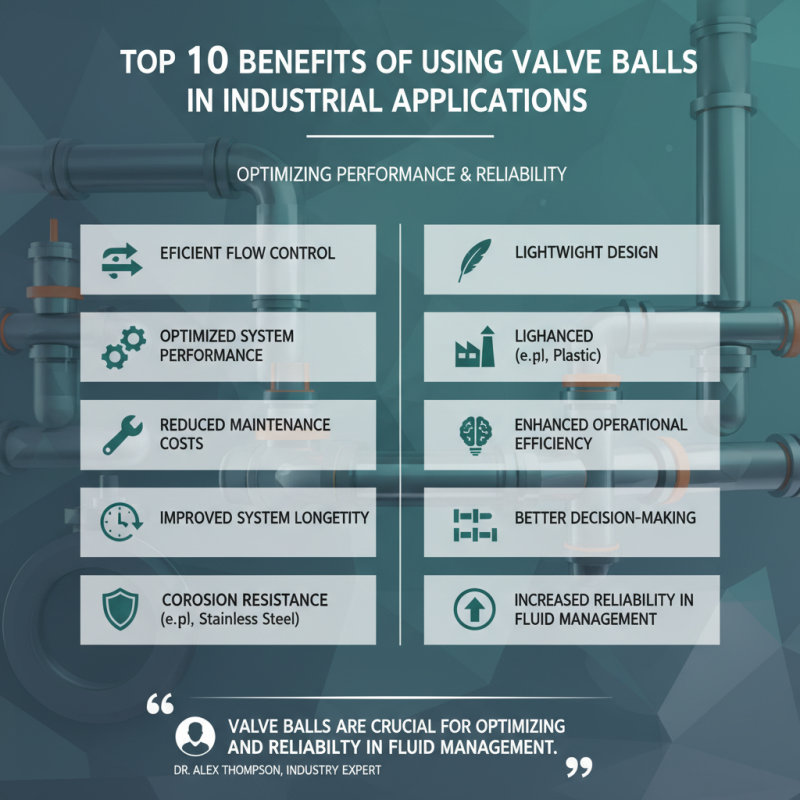
In the world of industrial applications, valve balls hold significant importance. These components enable efficient flow control in various systems. According to industry expert Dr. Alex Thompson, "Valve balls are crucial for optimizing performance and reliability in fluid management." His insights highlight the functionality of these small yet powerful elements.

Valve balls come in a variety of materials and sizes. Each type offers unique benefits for specific applications. For instance, stainless steel valve balls resist corrosion, making them ideal for harsh environments. In contrast, plastic valve balls are lightweight and suitable for less demanding tasks. However, selecting the right valve ball can be challenging. Many factors, such as pressure and temperature, must be considered.

Understanding the benefits of using valve balls can lead to better operational efficiency. For example, they can reduce maintenance costs and improve system longevity. Yet, users often overlook their importance. This lack of awareness can hinder performance. Emphasizing the role of valve balls can foster better decision-making in industrial settings.

Top 10 Benefits of Using Valve Balls in Industrial Applications?

Understanding Valve Balls and Their Role in Industrial Applications

Top 10 Benefits of Using Valve Balls in Industrial Applications?

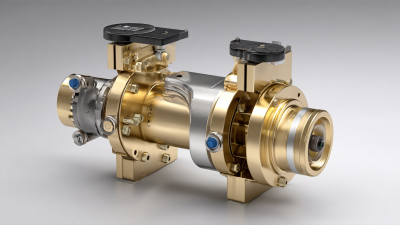
Valve balls play a critical role in various industrial applications. They are essential components found in different types of valves. These balls control flow by rotating within the valve body. Their shape and smooth surface ensure tight sealing. This feature minimizes leakage and maintains system pressure.

In industries like oil and gas, valve balls are vital. They help to regulate the flow of fluids with precision. In high-pressure environments, the durability of these balls matters greatly. However, not all valve balls are equal. Material choices can affect their performance and lifespan. Some users may overlook the need for regular inspections. This can lead to performance issues over time.

The cleaning process is also significant. Contaminants can accumulate on the surface of valve balls. This may impact their efficiency and cause unwanted downtime. Users sometimes forget to employ proper maintenance routines. Such oversights can prove costly in the long run. A balance between usage and care can optimize performance significantly.
Enhanced Flow Control: The Primary Advantage of Valve Balls

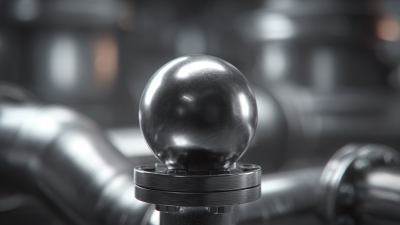
Valve balls play a critical role in enhancing flow control in various industrial processes. Their spherical shape allows for a smooth and reliable opening and closing mechanism. This design minimizes turbulence and optimizes flow rates. With valve balls, operators can achieve better accuracy in controlling the medium's flow. This leads to more consistent and efficient processes.

Flow control is vital in industries like oil and gas, water treatment, and manufacturing. Better flow control means fewer interruptions and less waste. However, improper installation or maintenance can hinder performance. Regular inspections are necessary to ensure they function correctly. A neglected valve ball can cause leaks or inadequate control, leading to operational setbacks.

Moreover, while valve balls efficiently regulate flow, they can also face wear and tear over time. Factors such as pressure and temperature can influence their durability. It's important for operators to monitor these conditions closely. Adjustments may be needed to maintain optimal performance. Ignoring these details could result in costly repairs or downtime.

Top 10 Benefits of Using Valve Balls in Industrial Applications

Durability and Longevity: How Valve Balls Outperform Other Options

Valve balls are essential in many industrial applications. They offer exceptional durability and longevity, setting themselves apart from other materials. Made from robust materials, valve balls resist wear and tear. This resistance leads to prolonged usage, reducing the need for frequent replacements.

Tips for selecting valve balls include assessing operational conditions. High pressure and temperature settings may require specialized materials. Ensure proper sizing for optimal performance. Sometimes, the wrong size can lead to leaks or failures, which may cause significant downtime. Regularly inspect valve balls for signs of wear. Ignoring small issues can lead to larger problems down the line.

Despite their strong attributes, valve balls might not always be the perfect choice. Some applications involve corrosive substances. In such cases, even durable materials can degrade. Proper evaluation of the working environment is crucial. Balancing cost and performance is also important. While valve balls excel in many scenarios, it’s vital to consider specific application needs.

Top 10 Benefits of Using Valve Balls in Industrial Applications

Benefit Description Comparison to Other Options
Durability Valve balls are made of high-quality materials that withstand harsh conditions. Outlasts rubber and plastic components significantly.
Longevity Designed for a longer service life, reducing replacement frequency. Typically lasts 3-4 times longer than traditional options.
Corrosion Resistance Manufactured from materials that resist corrosion from chemicals and environmental factors. Superior to common metals and alloys.
Temperature Tolerance Can withstand extreme temperatures without losing functionality. Better performance than plastics and elastomers at high temperatures.
Low Maintenance Requires minimal maintenance due to durability and design. Less frequent maintenance compared to traditional valve systems.
Sealing Capability Provides an effective seal, preventing leaks. More reliable than gasket or diaphragm-based sealing methods.
Flow Efficiency Allows for smoother and unrestricted flow of fluids. Improves flow characteristics compared to other valve types.
Versatility Can be used in a wide range of applications across industries. More adaptable than certain specialized valve designs.
Cost-Effectiveness Reduced total cost of ownership due to lower maintenance and replacement costs. Offers better long-term savings compared to cheaper alternatives.
Safety Enhances operational safety by minimizing the risk of leaks and failures. Safer than older systems that are prone to leaks and malfunctions.

Cost-Efficiency: Economic Benefits of Implementing Valve Balls

Top 10 Benefits of Using Valve Balls in Industrial Applications?

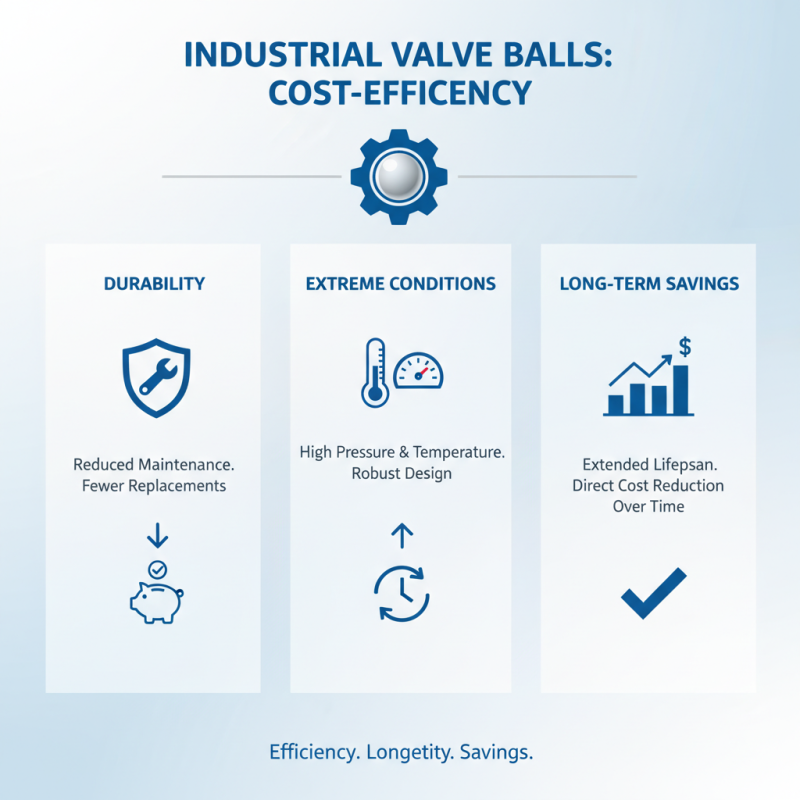
Using valve balls in industrial applications brings significant cost-efficiency. These components often reduce maintenance costs due to their durability. They are designed to withstand high pressure and temperature extremes, leading to fewer replacements. This longevity translates directly to savings over time.

Moreover, valve balls help in reducing energy consumption. Their streamlined design minimizes flow resistance. This efficiency can lower operational costs, making processes smoother and quicker. Container systems benefit particularly from this, allowing for increased output without added energy expenditure.

However, the initial investment may seem high. Some industries hesitate before making the switch. It’s essential to evaluate the long-term benefits against upfront costs. Reviewing past case studies can provide valuable insights. Companies often overlook potential savings until those figures are presented clearly. Investing in valve balls shows promise if done thoughtfully.

Versatility in Design: Adapting Valve Balls for Various Industries

Valve balls serve diverse industrial needs due to their adaptability. Each industry has unique requirements. In the oil and gas sector, valve balls withstand extreme pressures. A recent report by the International Energy Agency noted that 32% of oil extraction relies on high-performance valves. These balls are essential for maintaining flow rates and ensuring safety in operations.

In water treatment facilities, valve balls enable precise control over fluid dynamics. Industry data shows that leakage can be reduced by 25% using optimized valve ball designs. Their spherical shape allows for a smooth flow, leading to more efficient processes. However, not all designs succeed under various temperatures. Testing and improvements are crucial for reliability.

Manufacturers continuously develop new materials for valve balls. Plastics, ceramics, and metals are common choices. Each material brings advantages but also limitations. For instance, ceramic balls offer high durability but can be brittle. Engineering teams must find the right balance for their applications. The versatility of valve balls is appealing but requires careful thought to achieve optimal performance in distinct environments.

Request a Quote/Further Information

    Download