Call us on: +44 (0) 1482 323163
Request a Quote
In the dynamic landscape of global trade, the Automatic Transfer Pump stands out as an essential tool for various industries. This versatile device streamlines fluid transfer processes, improving efficiency and safety. Buyers around the world recognize its potential for reducing operational costs and enhancing productivity. Many companies struggle with outdated pumping systems, risking delays and inefficiencies. An Automatic Transfer Pump can alleviate these issues, providing reliable performance.
With the ongoing advancements in technology, understanding the benefits of Automatic Transfer Pumps is crucial for informed purchasing decisions. These pumps offer features such as automatic shut-off, which enhances safety by preventing overflow issues. Additionally, their compatibility with different fluids makes them a flexible choice across various sectors. However, buyers must be cautious in selecting models that suit their specific needs.
Choosing the right Automatic Transfer Pump requires careful consideration of factors like capacity, materials, and regulatory compliance. Some buyers may overlook these details, leading to suboptimal performance. By prioritizing quality and reliability, global buyers can ensure they invest wisely. Understanding the top benefits of these pumps will pave the way for smarter operational strategies in today's competitive market.
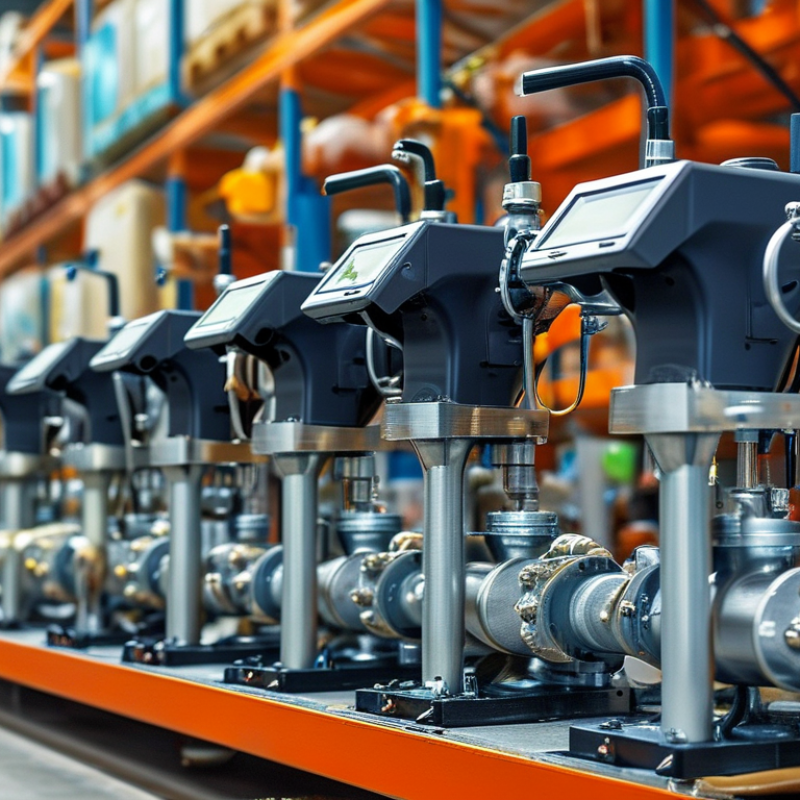
Automatic transfer pumps have become essential in various industries, offering multiple benefits for global buyers. These pumps facilitate efficient and safe transfer of liquids, enhancing workflow and productivity. According to a recent industry report, the global market for automatic transfer pumps is projected to grow at a CAGR of 5.2% from 2023 to 2030. This growth reflects the increasing demand for reliable fluid transfer solutions.
One significant advantage of automatic transfer pumps is their ability to minimize human intervention. Automation reduces the risk of spills and leaks, promoting a safer working environment. For example, studies indicate that automation can decrease workplace incidents by up to 30%, highlighting its importance in safety protocols. Additionally, these pumps often feature advanced monitoring systems, allowing for real-time data on liquid levels and flow rates.
However, investing in automatic transfer pumps also presents challenges. Some buyers may face initial setup costs that can be daunting. Ensuring compatibility with existing systems is another hurdle. Inadequate training for staff can lead to inefficiencies, even with the best equipment. Buyers should conduct thorough market research to assess their specific needs and align them with available solutions. This reflective approach can help in harnessing the full potential of automated systems.
| Benefit | Description | Application Areas | Energy Efficiency |
|---|---|---|---|
| Increased Efficiency | Automatic transfer pumps enhance operational efficiency by reducing manual input. | Industrial, Agricultural, Wastewater Management | Lower energy consumption compared to manual pumps. |
| Cost Savings | Reduced labor costs and increased productivity lead to significant savings. | Manufacturing, Construction, Marine | Efficient designs lead to prolonged operational life and decreased maintenance costs. |
| Reliability | Automatic transfer pumps are designed for consistent performance over time. | Oil and Gas, Chemical Processing, HVAC Systems | Often equipped with sensors to monitor performance and alert for issues. |
| Versatility | Can handle various fluids and adapt to different environments. | Agriculture, Biopharmaceuticals, Water Resource Management | Customizable settings for different applications help optimize energy use. |
| Enhanced Safety | Reduces risk of human error during fluid transfer operations. | Chemical Plants, Food Processing, Hazardous Waste Management | Lower energy levels can lead to safer operations in critical environments. |
The article "Top Automatic Transfer Pump Benefits for Global Buyers" explores the essential role of Automatic Transfer Pumps in various fluid management applications. These pumps are designed to enhance efficiency and save time, making fluid transfer processes smoother and more reliable. By automating fluid movement, users can significantly reduce manual labor and the associated risks.
In addition to operational efficiency, the article analyzes the cost-effectiveness of Automatic Transfer Pumps, highlighting their long-term financial benefits. Implementing these pumps can lead to substantial savings by minimizing waste and optimizing resource usage. Furthermore, safety enhancements are addressed, as Automatic Transfer Pumps help to mitigate risks associated with fluid management, ensuring a safer working environment. The article also emphasizes the environmental advantages of choosing Automatic Transfer Pumps, promoting sustainable procurement practices that are increasingly vital in today's global market.

© Shipham Valves 2025. All Rights Reserved.
Website By PS Website Design Ltd
Request a Quote/Further Information
Download