2026 Top Vacuum Forming Machine Buying Guide and Tips?
When considering the investment in a Vacuum Forming Machine, expertise is essential. Industry expert John Smith, with over 15 years in manufacturing technology, emphasizes, “A good machine is an investment in your business." This quote resonates deeply within the packaging and production sectors, where the right vacuum forming equipment can enhance efficiency and quality.
As you explore options for a Vacuum Forming Machine, you’ll encounter various brands and models. Each machine offers distinct features and capabilities. The choice often stems from your specific production needs. Understanding what you require can influence your decision significantly.
The landscape is evolving. New technologies emerge, making machines more efficient and user-friendly. However, not all innovations are beneficial. Careful research remains vital. Balancing cost and functionality requires insight. Reflect on your goals before making a purchase; the right fit can lead to great success or missed opportunities in your production line.
Understanding Vacuum Forming Machines: An Overview
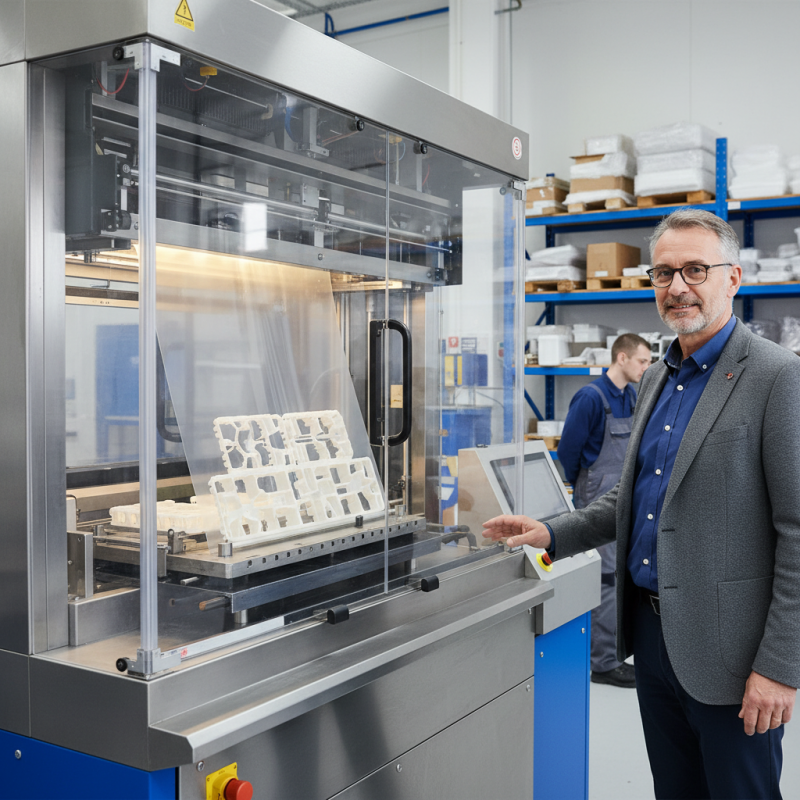
Vacuum forming machines are vital in various industries, from packaging to automotive. These machines use heat to soften plastic sheets, forming them into specific shapes. The process is straightforward yet requires precision and expertise. Understanding the components and operation is crucial for effective use.
The heating element is core to every vacuum forming machine. It ensures that the plastic reaches the right temperature. A reliable heating process is essential, as overheating can ruin materials. On the other hand, insufficient heat leads to poor forming outcomes. It's vital to monitor temperatures closely. The vacuum system also plays a significant role. It pulls the heated plastic onto molds, creating the desired shape. A strong vacuum is necessary for accuracy and quality, resulting in fewer defects.
However, users often struggle with setup or maintenance. Many might overlook the importance of regular cleaning, which can impact performance. It's also easy to misjudge mold designs, leading to flaws in the final products. Reflecting on these challenges is key for improvement. Learning and adapting can enhance both efficiency and quality in vacuum forming.
Key Features to Look for in a Vacuum Forming Machine
When selecting a vacuum forming machine, consider key features that enhance its performance and reliability. The heating system is crucial. It should heat the plastic evenly to ensure a smooth forming process. Look for machines with adjustable temperature settings. This flexibility allows you to work with different materials effectively.
The size of the forming area matters too. A larger surface offers more versatility for various projects. However, consider the space available in your workspace. Advanced machines may include digital controls for better precision. This can significantly improve the quality of your work.
Don’t overlook the material compatibility. Ensure the machine can handle the plastics you intend to use. Some machines may struggle with thicker materials, leading to subpar outcomes. Read user reviews. They provide insights into common issues and areas needing improvement. Understanding the limitations of a machine can help you make a more informed choice.
Assessing the Size and Capacity Requirements for Your Projects
Assessing the size and capacity requirements for vacuum forming projects is crucial. This analysis directly affects the efficiency and quality of your production. Start by determining the maximum dimensions of the parts you need to create. Consider the shapes and depths since complex designs require more space. An incorrect size can lead to wasted materials and increased costs.
Next, think about the production volume. How many parts do you plan to create? A machine with insufficient capacity can slow down your process significantly. If you only require small batches, a compact machine might suffice. However, larger operations need a machine that allows for higher throughput. Monitoring your workflow will help in making informed decisions.
You must also factor in the material types and thicknesses. Thick materials require more powerful machines. Additionally, certain setups may not handle specific materials well. It's important to conduct trials to assess performance. Reflecting on past projects can offer insights into your needs. Mistakes made in sizing or capacity can provide learning opportunities for future purchases.
Comparing Different Types of Vacuum Forming Machines
When exploring vacuum forming machines, understanding their types is crucial. Thermoforming, for instance, offers flexibility for varied applications. It’s great for both small batches and large-scale production. This method uses heat to mold plastic to create detailed shapes. However, it may require more time for setup compared to other machines.
Another type is pressure forming, known for its superior detail and surface finish. It utilizes air pressure to enhance the forming process. This technique is ideal for intricate designs, yet the cost of operation can be higher. Not every project needs this precision, making it essential to assess your specific requirements.
Finally, consider the material compatibility. Not all machines handle every type of plastic effectively. Some may work well with PVC, while others excel with ABS. The choice of materials can influence the durability and appearance of the final product. It's worth noting that improper material use can lead to waste and lower quality results. Evaluate your projects carefully for the best fit.
Tips for Maintaining and Extending the Life of Your Machine
Maintaining and extending the life of your vacuum forming machine requires regular attention and care. One of the key practices is routine cleaning. Dust and debris can hinder performance. After every use, take a moment to wipe down surfaces. Removing plastic residue is crucial. Over time, buildup can lead to uneven heating or sealing.
Monitor your machine's temperature settings closely. Overheating can cause damage to components. Ensure that the cooling system is functional. If the machine begins to overheat, it may be time for repairs. Always consult your manual for specific tolerances.
Finally, consider the wear and tear on the heating elements. These parts might degrade with extensive use. Inspect them regularly for signs of damage or corrosion. Addressing issues early can save you from significant costs later. Investing time in maintenance pays off. It leads to smoother operations and longer machine life. Regular checks can help prevent sudden breakdowns.
2026 Top Vacuum Forming Machine Buying Guide and Tips
| Feature | Description | Maintenance Tips |
| Heating Method | Common methods include infrared and convection heating. | Regularly check heat bulbs and maintain proper temperature calibration. |
| Material Compatibility | Can handle various thermoplastics like ABS, PVC, and PETG. | Ensure proper settings are used for each material type to avoid warping. |
| Machine Size | Available in small, medium, and large sizes depending on production needs. | Keep the machine free from debris to maintain accurate forming dimensions. |
| Control System | Advanced models feature digital controls for better accuracy. | Regularly update software if applicable and perform system diagnostics. |
| Forming Pressure | Pressure settings greatly affect the quality of the formed part. | Monitor and adjust pressure levels to match material specifications. |
| Vacuum System | The vacuum pump's efficiency is crucial for forming quality. | Check for leaks regularly and maintain vacuum seals. |