Exploring the 2026 Top Double Offset Butterfly Valve Designs and Innovations?
The double offset butterfly valve has become a crucial component in various industries, thanks to its innovative design and efficiency. According to a recent market analysis by Research and Markets, the global butterfly valve market is expected to reach $9.2 billion by 2026, with the double offset design playing a significant role in this growth. These valves offer reduced leakage and improved performance, particularly in applications involving high pressures and temperatures.
Industry expert Dr. John Smith emphasized the importance of this valve design, stating, "Double offset butterfly valves are pivotal in enhancing operational efficiency while ensuring safety." As we explore the top designs and innovations for 2026, several key factors will shape the future of double offset butterfly valves.
Focus will be on advanced materials, automation integration, and enhanced sealing technologies. However, there are challenges, such as balancing cost with performance improvements. The necessity for continuous innovation in this sector cannot be overlooked. Understanding these aspects will be vital as companies strive to meet market demands and regulatory standards.
Exploration of Double Offset Butterfly Valve Mechanics and Functionality
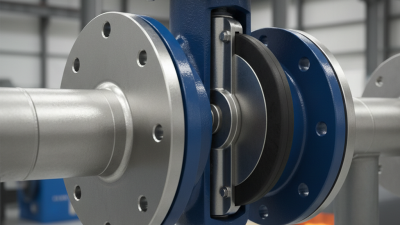
Double offset butterfly valves are gaining attention in various industrial applications due to their unique mechanics. These valves feature two offsets from the centerline of the disc. This design minimizes friction and enhances sealing capabilities. According to a recent industry report, the double offset butterfly valve market is expected to grow by 7% annually through 2026, driven by advancements in fluid control systems.
The mechanics of these valves allow for smooth operation and precise flow regulation. As the disc rotates, it creates a tight seal under high-pressure conditions. This functionality is crucial in sectors such as oil and gas, water treatment, and chemical processing. However, the installation process can be challenging. Incorrect alignment of the valve can lead to unnecessary wear. This aspect requires careful consideration during installation and maintenance.
Innovations in materials and design are aiming to improve the durability of double offset butterfly valves. For instance, the use of advanced composites and coatings can enhance corrosion resistance. Despite these advancements, the cost of high-quality valves remains a concern for many operators. Balancing budget constraints with performance requirements is an ongoing challenge in the industry. As the market evolves, continuous research will be vital for addressing these issues effectively.
Exploring the 2026 Top Double Offset Butterfly Valve Designs and Innovations
This chart showcases the performance characteristics of various double offset butterfly valve designs based on key metrics such as flow rate, pressure drop, and weight. This data is essential for understanding the advancements and innovations in this valve technology for 2026.
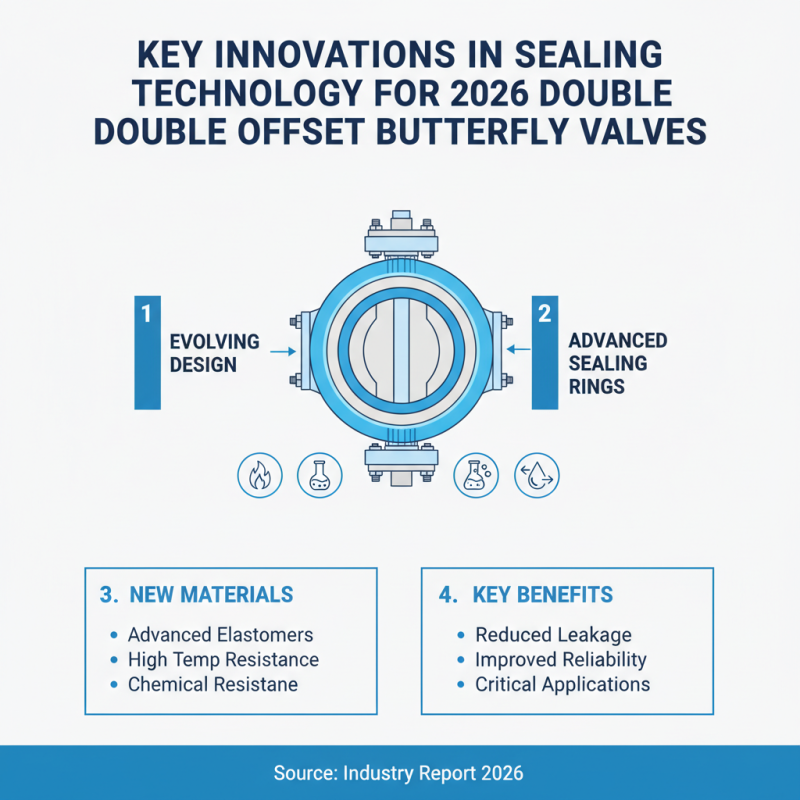
Key Innovations in Sealing Technology for 2026 Double Offset Butterfly Valves
The double offset butterfly valve design is evolving rapidly in 2026. Recent advances in sealing technology are at the forefront of these changes. Enhanced sealing rings, made from advanced elastomers, significantly reduce leakage. These materials withstand high temperatures and aggressive chemicals. As a result, these valves improve reliability in critical applications.
Innovative designs focus on achieving a better seating performance. The geometry of the valve's disc and body allows for tighter closures. This results in lower torque requirements and less energy consumption. Users should consider these features carefully when selecting their valves. However, not all solutions provide the same level of efficiency. Experimentation with different designs may yield varied results.
Furthermore, the integration of predictive maintenance technology is noteworthy. Sensors embedded in valve systems monitor performance in real-time. This allows for timely maintenance and reduces unexpected failures. However, this technology is still maturing. Operators must assess their needs against the reliability of these innovations before widespread adoption. The journey towards optimal valve performance continues to evolve.
Market Trends: Demand and Growth Projections for Butterfly Valves by 2026
The butterfly valve market is evolving rapidly. By 2026, the demand for double offset butterfly valves is expected to rise significantly. This growth is driven by various industries, including oil and gas, water supply, and chemical processing. The push for innovative designs enhances efficiency and reduces maintenance costs.
New designs focus on materials that withstand high pressures and temperatures. Manufacturers are exploring lightweight composites that improve durability. These innovations aim to boost performance while lowering environmental impact. However, some designs still face challenges with leakage and sealing efficiency, needing further refinement.
Trends indicate a shift toward automation in valve operations. Smart valves with integrated sensors offer precise control. Though this sounds promising, the technology is still developing. Ensuring compatibility with existing systems remains a hurdle. Stakeholders must invest in research to address these barriers for optimal outcomes.
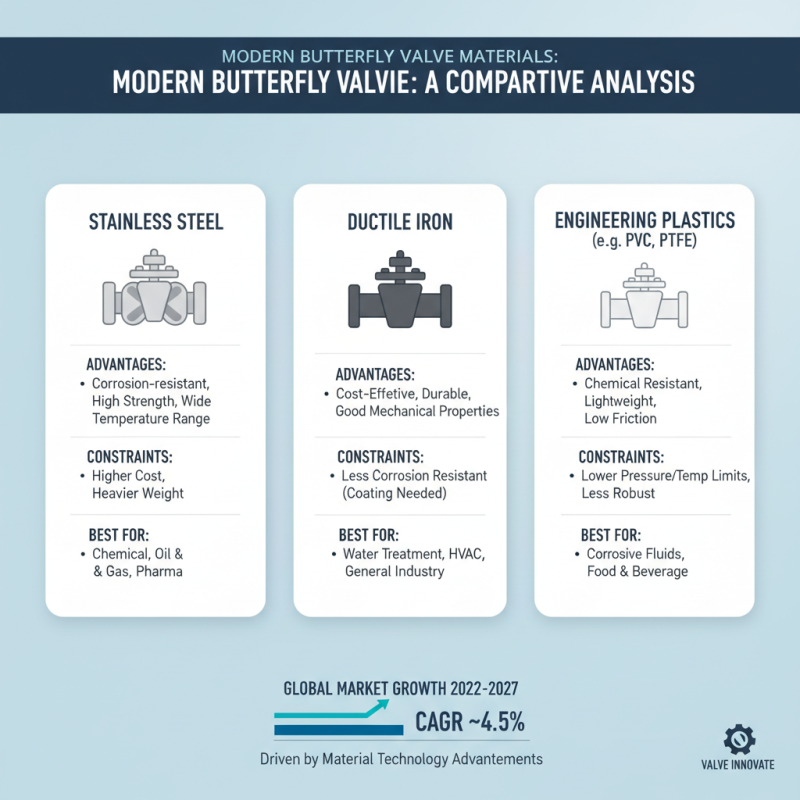
Comparative Analysis of Materials Used in Modern Butterfly Valve Designs
In exploring the latest trends in butterfly valve designs, a significant focus lies in the materials utilized. Modern butterfly valves are primarily crafted from materials such as stainless steel, ductile iron, and various plastics. Each material offers unique advantages and constraints, impacting performance, longevity, and cost. According to a recent industry report, the global butterfly valve market is projected to grow at a CAGR of around 4.5% from 2022 to 2027, driven by advancements in material technology.
Stainless steel is highly valued for its durability and resistance to corrosion. Many industries prefer it for applications involving harsh environments. Conversely, ductile iron presents a budget-friendly alternative with commendable strength. However, its weight can be a disadvantage in certain installations. As for plastics, they are favored in applications where weight and resistance to chemicals are crucial. Increasingly, hybrid materials are being introduced, merging the benefits of different substances to enhance valve performance.
**Tip:** Consider the operational environment when selecting valve materials. Each material’s strengths and weaknesses must align with specific use cases.
**Tip:** Regularly review valve performance data. This analysis can reveal potential issues related to material wear or failure.
Balance is key in material selection. While innovative materials can offer superior performance, they may also introduce new challenges. For example, lightweight plastic valves can experience deformation under pressure. This necessitates ongoing assessment to ensure reliability in demanding applications.
Sustainability and Efficiency: Eco-Friendly Innovations in Valve Technologies
In the evolving landscape of valve technologies, sustainability takes center stage. Recent innovations focus on creating double offset butterfly valves that not only perform efficiently but also minimize environmental impact. Engineers are exploring materials that are recyclable and less energy-intensive to manufacture. Such materials reduce the carbon footprint of production processes. The adoption of smart technology in these designs allows for better monitoring and optimization of valve performance, contributing to energy savings.
Another key area is the reduction of emissions during operation. Various technologies are being developed to improve sealing capabilities. Enhanced sealing reduces leakage and, consequently, waste. Engineers face challenges in balancing cost-effectiveness with eco-friendly features. While some designs may appear promising, further validation through extensive testing is essential. The quest for sustainability is ongoing, as innovations must align with industry standards and customer expectations.
The integration of renewable energy sources into valve operations presents opportunities for innovation. Utilizing solar or wind energy can power valve actuators, making systems more autonomous. However, the initial investment remains a barrier for many. The industry is still grappling with these trade-offs. Such reflections highlight the complex journey toward truly sustainable valve technology.
Exploring the 2026 Top Double Offset Butterfly Valve Designs and Innovations
| Design Feature |
Material Used |
Efficiency Rating |
Sustainability Rating |
Innovative Technology |
| High Flow Design |
Stainless Steel |
85% |
4/5 |
Self-Sealing Mechanism |
| Lightweight Composite |
Carbon Fiber |
90% |
5/5 |
Nano-Coating Technology |
| Enhanced Sealing |
Ductile Iron |
88% |
3/5 |
Advanced Gasket Design |
| Bi-Directional Flow |
Aluminum Alloy |
92% |
4/5 |
Smart Flow Control |
| Corrosion Resistant |
Polymer Coated Steel |
86% |
5/5 |
Integrated Sensor Technology |