In the rapidly evolving world of Precision CNC Machining, staying informed about trends is crucial. Experts emphasize that understanding these trends can significantly impact production efficiency. Mark Thompson, a renowned figure in the CNC machining industry, once stated, “Adaptation is key to thriving in Precision CNC Machining.” His insight reflects a growing reality faced by global buyers.
The landscape of Precision CNC Machining is changing. New technologies are reshaping manufacturing, making it vital for businesses to embrace innovation. Companies are now prioritizing automation for enhanced accuracy and speed. Eco-friendly practices are also on the rise, as sustainability becomes a focal point for many buyers.
However, challenges persist. Not all companies can transition smoothly to these new trends. Many still rely on outdated techniques, which can lead to inefficiencies. The ability to adapt isn’t uniform across the board. Buyers must carefully assess how these trends can align with their specific needs. In doing so, they can better navigate the complexities of Precision CNC Machining and position themselves for success.
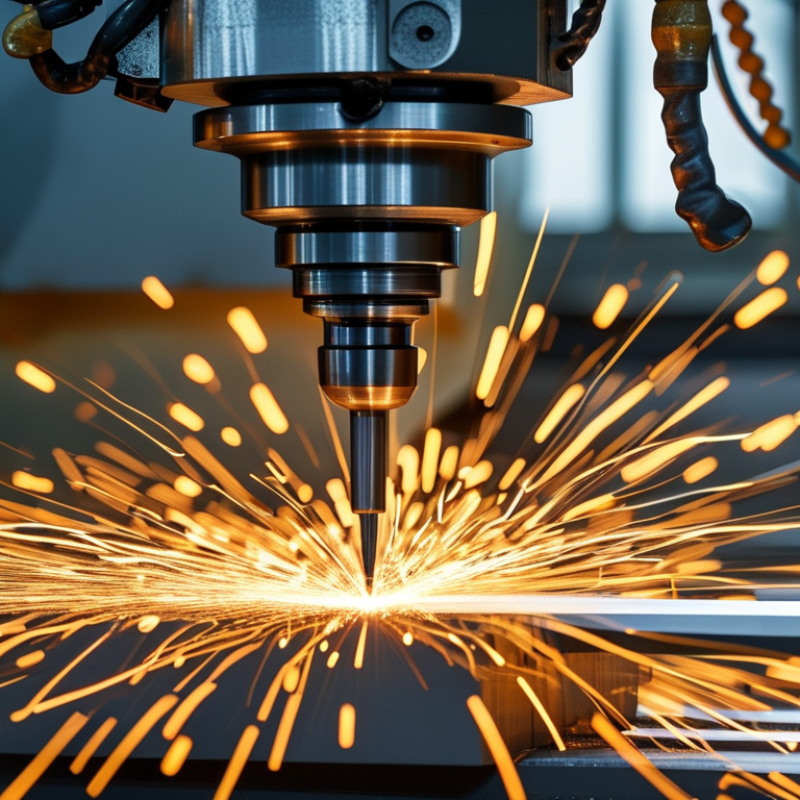
Emerging technologies are transforming precision CNC machining in 2026. The integration of artificial intelligence enhances production efficiency. AI algorithms optimize machining processes and reduce downtime. This shift allows for quicker adjustments in real-time, minimizing waste and improving overall precision.
Additive manufacturing is also gaining traction. This method complements traditional machining. It enables the creation of complex geometries that were previously impossible. However, integrating additive methods presents challenges in material consistency and part accuracy. There is still much to learn about the best practices for combining these technologies.
Another trend is the focus on sustainable practices. Manufacturers are adopting energy-efficient machines. They are also exploring biodegradable materials for production. These changes reflect a growing awareness of environmental impacts. As the industry evolves, balancing innovation with sustainability may pose new challenges. Further research is necessary to ensure future developments align with eco-friendly principles.

Automation is revolutionizing CNC machining processes. The integration of smart technology enhances both efficiency and precision. With automated systems, manufacturers can achieve tighter tolerances and quicker turnaround times. This shift allows operators to focus on more complex tasks, reducing human error.
Operators faced challenges when transitioning to automation. Training and upskilling are critical to ensure seamless operation. Furthermore, not all automation systems are a perfect fit for every shop. Customization is often necessary, adding complexity to initial implementation. These factors highlight the need for careful planning and evaluation.
The impact of automation in CNC machining is significant. Companies are witnessing reduced cycle times and improved productivity. However, the reliance on technology also raises concerns about job displacement. Striking a balance between automation and workforce stability remains a crucial consideration for the future of the industry.
| Trend | Impact on Efficiency | Impact on Precision | Key Technologies |
|---|---|---|---|
| Automation Integration | Increases production speed by 30%. | Improves consistency with <1% tolerance. | Robotics, AI-driven software. |
| IoT Connectivity | Real-time monitoring reduces downtime by 20%. | Enhances data analysis for better quality control. | Smart sensors, cloud computing. |
| Precision Robotics | Streamlines complex processes with 50% fewer errors. | Maintains high precision in multi-axis machining. | Collaborative robots (cobots), vision systems. |
| Advanced Materials | Improves machining efficiency by using lighter materials. | Facilitates tighter tolerances on innovative materials. | Composite materials, titanium alloys. |
| Data Analytics | Enables predictive maintenance, increasing efficiency by 15%. | Improves precision through analytics-driven decision making. | Machine learning, statistical process control. |
As global buyers navigate the future of CNC machining, sustainability has emerged as a key focus. Incorporating eco-friendly practices not only reduces environmental impact but also enhances efficiency. Companies are increasingly investing in energy-efficient machinery and renewable energy sources. These changes not only lower carbon footprints but also lead to cost savings.
Tip: Consider audits to find areas for energy improvement. Small adjustments can lead to significant gains.
Recycling waste materials is also pivotal. Manufacturers are exploring ways to repurpose metal shavings and scraps. This practice minimizes waste and can create new revenue streams. However, challenges remain. Not every product can be easily recycled, and the right processes must be established.
Tip: Collaborate with suppliers to create a waste management plan. Building strong partnerships can optimize recycling efforts.
Investing in sustainable materials is another trend. Biodegradable and recycled materials are gaining traction. This shift can improve marketability. Despite these advances, the transition requires careful planning. Balancing sustainability with production efficiency is essential. Making informed choices can drive meaningful changes in the industry.
The precision CNC machining industry is evolving rapidly, particularly in material selection. Advanced materials are gaining traction for their superior performance and sustainability. For instance, studies forecast that the global market for advanced materials will surpass $100 billion by 2026. This growth signals a shift toward high-strength alloys and composite materials.
Recent reports indicate that around 40% of manufacturers are now using lightweight composites. These materials offer significant benefits for sectors like aerospace and automotive. Lightweight composites can reduce production costs and enhance product performance. However, integration into existing processes can pose challenges. Many manufacturers struggle with adapting their CNC equipment to work with new materials.
Another trend is the emphasis on sustainability. More buyers are steering towards bio-based plastics and recycled metals. While these materials are beneficial, they sometimes lack the mechanical properties of traditional options. This gap requires careful evaluation. The right balance between sustainability and performance remains a complex dilemma for the industry. Ultimately, decision-makers need to ensure robustness while considering environmental impacts.
As we venture into 2026, global buyers should prepare for significant market demand trends that will influence CNC machining strategies. According to a report by Mordor Intelligence, the CNC machining market is projected to grow at a CAGR of 6.1% through 2026, driven by increasing demand for precision parts in industries like aerospace and medical devices. This growth indicates a shift towards more specialized machining processes that cater to highly technical requirements.
Buyers need to consider the adaptability of their suppliers. The demand for high-precision components means that CNC machining providers must invest in advanced technologies. Techniques such as additive manufacturing and multi-axis machining are becoming essential. A recent survey revealed that 47% of manufacturers plan to adopt these technologies to stay competitive.
Tips: Focus on partnerships with suppliers who show a willingness to innovate. Evaluate their capacity for quick adjustments in response to changing market needs. Aligning with forward-thinking companies can enhance your supply chain reliability.
Moreover, maintaining quality standards will be crucial. Achieving tighter tolerances requires not just advanced machinery, but also skilled operators. However, the skilled labor shortage in many regions raises concerns about consistent quality. It’s vital to ensure that training programs are in place to bridge this gap. Understanding these trends can lead to better decision-making in sourcing CNC machining services.
© Shipham Valves 2025. All Rights Reserved.
Website By PS Website Design Ltd
Request a Quote/Further Information
Download
We use cookies on this website, by continuing to browse the site you are agreeing to our use of cookies. Find out more.