2026 Top Casement Window Aluminum Extrusion Profiles Guide?
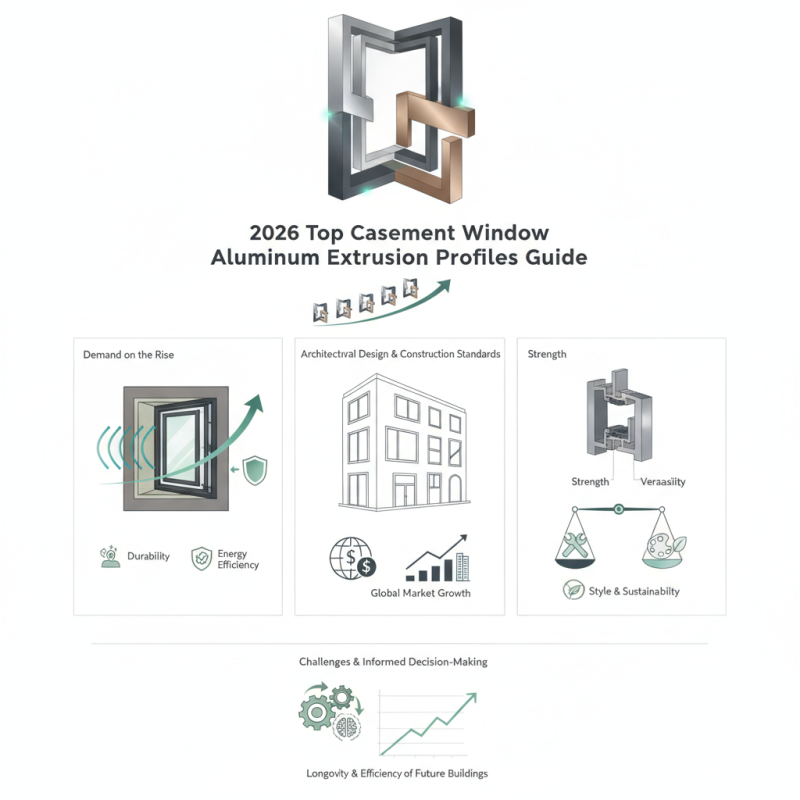
The demand for Casement Window Aluminum Extrusion Profiles is on the rise, reflecting a shift towards durable and energy-efficient building materials. According to a report by Allied Market Research, the global aluminum extrusion market is expected to reach $127 billion by 2025, driven largely by advancements in architectural design and construction standards. As noted by industry expert John Smith, “The right extrusion profiles can significantly enhance a building's insulation and aesthetic appeal.”
Casement windows, in particular, benefit from aluminum extrusions due to their strength and versatility. These profiles can be tailored to fit various design needs, ensuring both functionality and style. However, the market faces challenges, including rising material costs and fluctuating demand. As professionals in the industry, we must critically assess our material choices, balancing aesthetics with sustainability and performance.
Understanding the nuances of Casement Window Aluminum Extrusion Profiles is essential for architects and builders aiming to create innovative, resilient structures. The right choices now can influence the longevity and efficiency of future buildings, making this guide vital for informed decision-making in 2026 and beyond.
Overview of Casement Windows and Their Uses
Casement windows are a popular choice for many homeowners. They offer excellent ventilation and unobstructed views. These windows are hinged on the side, allowing them to open outward. This design enables a full opening, which invites more fresh air into the home. Additionally, casement windows provide a clean and modern look, enhancing the overall aesthetic of any building.
The versatility of casement windows makes them suitable for various settings. You can find them in residential homes, commercial buildings, and even historic structures. Their ability to fit in different architectural styles adds to their appeal. When placed strategically, they can frame beautiful outdoor scenes, adding a touch of nature indoors. However, improper installation or poor quality frames may lead to air leaks and decreased energy efficiency. Evaluating these aspects during selection is crucial.
While casement windows have numerous benefits, they require regular maintenance. The hinges and locking mechanisms need to be checked periodically. This ensures durability and functionality. Homeowners should be aware that excessive exposure to extreme weather can affect performance. Understanding these factors can help in achieving the best results with casement windows.
Understanding Aluminum Extrusion Profiles for Windows
Aluminum extrusion profiles are crucial for casement windows. These profiles offer strength and versatility. They are engineered to provide a durable frame that can withstand various weather conditions. Many manufacturers use advanced techniques to ensure high-quality products. The precision in extrusion allows for tight seals, enhancing energy efficiency.
In understanding these profiles, it's important to consider their design and functionality. Shapes vary, often including variations for thermal breaks and structural support. An ideal design combines aesthetics with performance. Yet, despite advancements, imperfections can occur during the extrusion process. This may lead to inconsistent finishes or slight misalignments in frames.
Quality assurance is fundamental, yet not all profiles are created equally. Buyers should focus on certifications that reflect quality standards. Prioritizing proven suppliers can mitigate risks. Careful evaluations can expose potential flaws early. Ultimately, selecting aluminum profiles requires informed choices backed by reliable information.
Key Features of 2026 Top Casement Window Profiles
When considering casement windows, aluminum extrusion profiles stand out for their durability and aesthetic appeal. These profiles provide a sleek, modern look that complements various architectural styles. They are lightweight yet strong, making installation easier. An essential feature is the ability to resist corrosion, ensuring longevity in diverse weather conditions.
Another key aspect is energy efficiency. The design allows for better insulation, reducing heating and cooling costs. Many profiles include thermal breaks, which further enhance energy savings. Users often appreciate how easy they are to operate, needing minimal effort to open or close. However, it’s important to remember that some profiles may require occasional maintenance to function optimally.
Despite these advantages, not all aluminum profiles are created equal. Variations in manufacturing can lead to discrepancies in performance. Sometimes, a cost-effective choice might compromise quality. Prospective buyers should carefully evaluate their options, ensuring they select profiles that meet their specific needs. Regular research on advancements in the industry can help in making informed decisions.
Comparative Analysis of Different Aluminum Alloys in Casement Windows
In the design of casement windows, the choice of aluminum alloy significantly influences durability, performance, and aesthetics. Aluminum alloys are categorized based on their composition and mechanical properties. The 6000 series is widely used due to its excellent corrosion resistance and good weldability. A recent report indicated that over 75% of windows use these alloys, showcasing their popularity in the industry.
However, not all aluminum alloys are equal. The 2000 series offers higher strength but is more prone to corrosion. Some experts recommend hybrid profiles that combine different alloys for optimal results. While this approach can enhance performance, it may also complicate the manufacturing process.
Practical experience shows that using a single alloy can streamline production. Yet, this often raises concerns about long-term durability. Ultimately, selecting the right aluminum profiles involves a careful analysis of structural requirements and environmental conditions. Balancing strength and aesthetic appeal remains a challenge for many manufacturers in the market today.
Installation and Maintenance Tips for Casement Window Aluminum Profiles
Casement window aluminum profiles provide an excellent blend of durability and aesthetics. Proper installation is crucial for optimal function. Ensure that frames are level and square. This prevents warping and ensures smooth operation. Use high-quality sealants at joints. This helps keep water and air out, enhancing energy efficiency. Pay attention to the alignment of hinges as well. Misalignment can lead to increased wear and potential frustration over time.
Maintenance involves routine checks to ensure longevity. Regularly inspect seals for wear or damage. Damaged seals should be replaced promptly. Clean the frames with a mild detergent and soft cloth. Avoid harsh chemicals that could damage the finish. Occasionally, oiling the hinges helps maintain functionality. This is an easy step that can prevent future issues. Remember, even a small oversight can lead to big problems later. Taking a few moments to maintain these features goes a long way in preserving their integrity.
2026 Top Casement Window Aluminum Extrusion Profiles Guide
| Profile Type | Dimensions (mm) | Weight (kg/m) | Color Options | Thermal Performance (U-Value) | Price Range (USD) |
| Standard Casement Profile | 75 x 45 | 2.5 | White, Anodized, Bronze | 1.5 | $10 - $15 |
| Heavy-Duty Casement Profile | 90 x 50 | 3.0 | Black, White | 1.3 | $15 - $20 |
| Slimline Casement Profile | 60 x 35 | 1.8 | Anodized, White | 1.6 | $12 - $18 |
| Reinforced Casement Profile | 85 x 45 | 2.7 | White, Dark Brown | 1.4 | $14 - $22 |
| Energy-Efficient Casement Profile | 70 x 40 | 2.2 | White, Green | 1.1 | $18 - $25 |