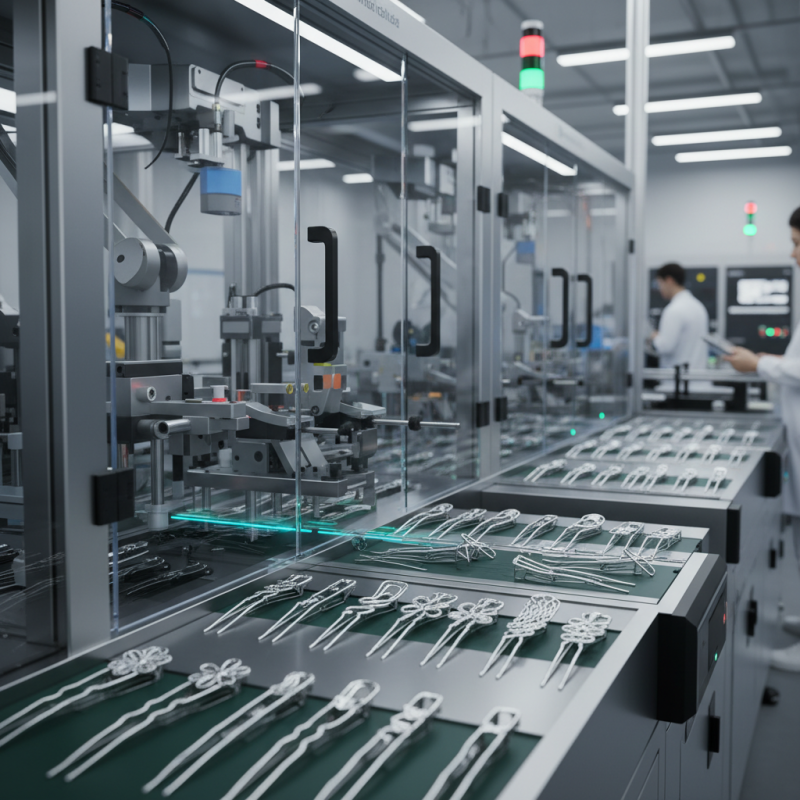
Top 2026 Hair Pin Machine Trends for Global Buyers?
As the global market evolves, the demand for innovative machinery grows. The Hair Pin Machine stands out in this dynamic landscape. It plays a crucial role in the hair accessory industry.
In 2026, buyers will be looking for advanced features. Efficiency and versatility are key drivers. New technologies aim to improve speed and reduce waste. However, not all machines meet expectations. Some may fall short in user-friendliness or durability.
It's essential for buyers to stay informed on trends. By understanding the latest advancements, they can make better decisions. Investing in the right Hair Pin Machine can enhance production capabilities. Yet, caution is needed to avoid potential pitfalls. The future holds promise, but it also demands careful consideration.
Emerging Technologies Driving Hair Pin Machine Innovation in 2026
Emerging technologies are reshaping the hair pin machine industry in 2026. With the rise of automation and artificial intelligence, manufacturers are witnessing significant improvements in efficiency. For instance, a recent industry report indicated that automated hair pin machines have increased production rates by over 30%. This leap enhances competitiveness in a global market.
The integration of IoT (Internet of Things) is another trend driving innovation. Machines equipped with IoT capabilities allow for real-time monitoring and predictive maintenance. This technology reduces downtime and enhances productivity. Studies show that businesses implementing IoT solutions can reduce maintenance costs by up to 25%. However, not all manufacturers are adapting quickly. Some struggle with the initial investment costs and training needs.
As sustainability becomes a priority, eco-friendly materials are gaining traction in hair pin production. Reports suggest that 40% of manufacturers are exploring biodegradable alternatives. The challenge remains in balancing quality and environmental impact. Consumers increasingly demand sustainable products, yet achieving this effectively is not straightforward for every manufacturer.
Market Growth Projections for Hair Pin Machines: A 2026 Perspective
The market for hairpin machines is gearing up for notable advancements by 2026. Projections suggest a significant increase in demand for efficient manufacturing processes. This trend is driven by the ever-growing beauty and personal care sector, emphasizing the need for high-quality products.
As manufacturers adapt to these changes, there are a few tips to consider. Innovating designs can attract more customers. Utilize eco-friendly materials to enhance sustainability. Regularly assess machine performance to ensure optimal production rates. This approach is vital for staying competitive in the evolving market.
Investing in automation technologies could streamline operations. Such investments can yield long-term savings. However, transitioning to automated systems requires careful planning and retraining staff. The learning curve may pose challenges that need to be addressed. Embracing change while managing risks is crucial for future growth.
Sustainability Trends in Hair Pin Machine Manufacturing Practices
Sustainability is now a crucial focus in hair pin machine manufacturing. As environmental concerns grow, manufacturers are rethinking their production methods. This shift is about more than compliance; it reflects a commitment to the planet. Using eco-friendly materials can enhance product appeal and efficiency.
For efficient, sustainable manufacturing practices, consider these tips.
- First, explore biodegradable plastics for machine components. This reduces waste and enhances recyclability.
- Second, invest in energy-efficient machinery. These machines consume less power and minimize your carbon footprint.
- Lastly, promote a circular economy. Encourage recycling of hair pin products to minimize raw material usage.
Implementing these practices, however, may face challenges. Adopting new materials can be costly initially. Training staff to embrace sustainability is also necessary. Resistance to change can hinder progress. Addressing these issues requires reflection and a proactive approach. Adjusting production methods takes time, but the long-term benefits are significant. Embracing sustainable trends will pave the way for a more responsible industry.
Consumer Preferences Shaping Hair Pin Machine Designs and Features
Consumer preferences are reshaping the hair pin machine market. As buyers become more discerning, manufacturers are adapting their designs to meet unique needs. The demand for customizable hair pins is on the rise. Buyers want machines that can create personalized styles quickly. Furthermore, sustainability is becoming crucial. Eco-friendly materials in production are preferred, reflecting a broader trend in manufacturing.
Innovative features are now essential. Machines equipped with advanced technology, like automated adjustments, are gaining traction. These features enhance efficiency and reduce production time. Moreover, user-friendly interfaces appeal to both experienced operators and newcomers. However, some machines may fall short in delivering consistent quality. This inconsistency can lead to operational frustrations and increase waste.
Ergonomics plays a significant role in design. Comfort during operation improves productivity. Yet, some machines still present challenges in this area. Buyers are urging manufacturers to listen to feedback. Addressing these concerns can lead to refined products that truly meet consumer expectations. The future of hair pin machine designs depends on ongoing dialogue between producers and users.
Competitive Landscape: Key Players in the Hair Pin Machine Industry by 2026
The hairpin machine industry is rapidly evolving, with several key players emerging as leaders by 2026. Market research indicates that the global demand for hairpin machines is expected to grow at a CAGR of 6.3%, reaching an estimated value of $1.2 billion. This growth is driven by increasing automation and the demand for precision engineering in hairpin production. Key manufacturers are investing heavily in technology to enhance efficiency and reduce operational costs.
Among the competitive landscape, companies are exploring new materials and innovative designs. Reports suggest that firms focusing on sustainable practices see an edge in consumer preference. Approximately 40% of buyers now prioritize sustainability in manufacturing processes. Despite this shift, some players struggle to keep up with technological advancements, leading to production delays and increased costs. These challenges highlight the need for industry players to adapt quickly to the changing market dynamics.
Additionally, emerging markets in Asia Pacific are witnessing substantial growth. The region is expected to hold a significant market share, driven by expanding manufacturing capabilities and skilled labor. Nevertheless, some manufacturers face hurdles in meeting international standards and quality benchmarks. The next few years will be crucial for these companies as they navigate regulatory landscapes and strive for excellence in production.