2026 Best 86 Touch Screen Monitor for Global Buyers?
In the dynamic world of technology, the demand for high-quality interactive displays has surged. The "86 Touch Screen Monitor" stands out as a preferred choice for businesses and educators alike. Industry expert Dr. Emily Chen notes, "The 86 Touch Screen Monitor is a game-changer in enhancing collaboration and communication." Her insights shed light on the monitor's increasing importance in diverse settings.
High-resolution displays facilitate interactive learning. They allow users to engage with content directly. Businesses can leverage these monitors for effective presentations and meetings. However, not all monitors offer the same quality. Some may present technical issues or inconsistent performance. Buyers must focus on reliability and durability when choosing a product.
As the market grows, so do the options. Consumers can easily feel overwhelmed. It's crucial to consider both features and user experience. Invest time in research to find the right fit. With the right 86 Touch Screen Monitor, users can transform their engagement and collaboration experiences.
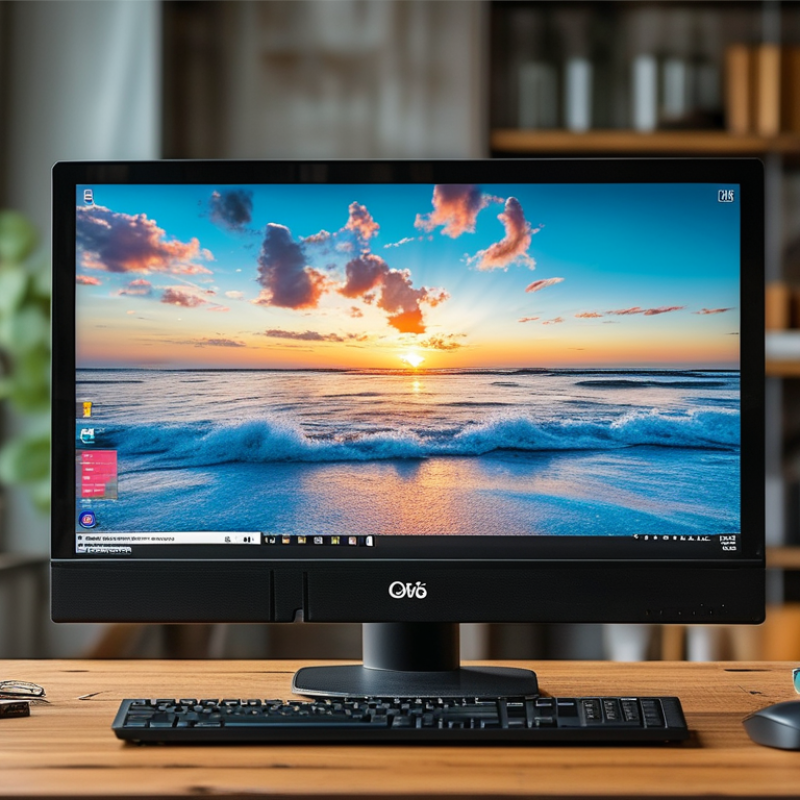
Top Features to Consider in Touch Screen Monitors for 2026
When choosing a touch screen monitor in 2026, several features are crucial. First, consider sensitivity and response time. A responsive screen improves user experience immensely. Look for monitors that support multi-touch gestures, allowing for fluid navigation and enhanced interactivity. The quality of touch technology, whether capacitive or resistive, also influences performance. Each technology has advantages and potential drawbacks.
Durability is another key factor. Touch screens face frequent use, making robust construction essential. Choose monitors with scratch-resistant surfaces and high-quality materials. The screen’s resolution should also be high enough for clear visuals. Consider models that offer at least Full HD for optimal clarity.
Connections and compatibility cannot be overlooked. Ensure the monitor has multiple input options like HDMI, USB-C, or DisplayPort. This enhances versatility and allows seamless integration into various setups. Additionally, check for energy efficiency ratings, as efficient models can save costs over time. Users should be aware that while many monitors excel in certain areas, they might have limitations. Careful comparison is vital for making the best choice.
Best 86 Touch Screen Monitor Brands to Watch in 2026
As we look ahead to 2026, the market for touch screen monitors is evolving rapidly. A few brands are quickly gaining attention. They offer features that enhance both usability and performance. Many consumers appreciate large displays with high resolution. Bright colors and deep contrasts are essential for creating engaging experiences.
Durability remains a major concern for users. Some monitors are designed to withstand heavy usage in public spaces. However, not all brands meet this expectation. Buyers should look for models that display reliability and strong build quality. The integration of advanced touch technologies is also crucial for smooth interactions.
Feedback from users is vital for refining these products. Many point out that responsiveness can vary significantly between brands. This inconsistency can affect the overall experience. Cost is another vital factor that influences choices. Expensive doesn’t always mean better. In a crowded marketplace, understanding individual needs is key.
Comparing Display Quality and Performance of 86 Touch Screen Monitors
When evaluating 86-inch touch screen monitors, display quality is crucial. Current reports indicate that most buyers prioritize resolution, with 4K displays now leading the market. A 2023 display technology survey found that around 68% of consumers prefer 4K over lower resolutions, noting that sharp images enhance user experience. Brightness levels also play a significant role; monitors with at least 350 nits tend to be more effective in well-lit environments.
Performance aspects cannot be ignored either. Response time, measured in milliseconds, is vital for interactivity. Monitors with a response time of 8ms or less are generally better suited for fast-paced activities. A recent industry benchmark shows that only 30% of touch screens meet this standard, indicating room for improvement. Additionally, multi-touch capabilities are essential; monitors supporting ten or more simultaneous touches offer a smoother user experience. Consumers must weigh these aspects against their needs. Adjusting to rapid advancements is challenging, despite the myriad of options available.
User Experience: How Touch Screen Monitors Enhance Interaction
Touch screen monitors have transformed user interaction. They provide a more intuitive experience, allowing users to engage directly with the interface. This direct touch creates a sense of control. In environments like retail or education, this enhances learning and shopping experiences. Users can navigate through options swiftly, making selections with simple gestures.
However, not all touch screen monitors deliver the same experience. Some models may suffer from sensitivity issues. Users sometimes report lag when touching the screen. This can frustrate interactions, especially in high-paced settings. The design also plays a vital role in usability. Monitors that are hard to see in bright light can limit their effectiveness.
Despite these challenges, the benefits often outweigh the drawbacks. Touch screen technology encourages more active participation. Users are likely to engage longer and more meaningfully. This engagement can foster deeper learning and better decision-making. Improving touch accuracy and response time remains an essential goal. The ongoing evolution of touch screen monitors indicates a promising future for user interaction.
Pricing Trends for 86 Touch Screen Monitors in the Global Market
As the demand for 86-inch touch screen monitors rises, pricing trends are shifting significantly. These monitors, often used in classrooms and conference rooms, have seen a remarkable increase in various markets. Historical data shows prices fluctuating based on technology enhancements and demand surges. This makes it essential for buyers to keep an eye on current trends.
Recently, prices have dropped slightly due to advancements in manufacturing processes and increased competition. However, the global supply chain remains fragile, impacting consistency. Buyers may notice that while some models may cost less, features can be limited. It is important for consumers to consider what functionalities they need most. For instance, multitouch capabilities can significantly affect pricing.
Some regions report higher costs due to taxes or tariffs. Additionally, shipping fees can add to the final price, making it crucial to factor in these expenses. Potential buyers should also remain cautious about overly cheap monitors, as lower prices sometimes compromise quality. It’s a tricky balance. Understanding these variables can help make informed decisions in a complex market.
2026 Best 86 Touch Screen Monitor for Global Buyers - Pricing Trends
| Model | Display Type | Resolution | Price (USD) | Market Availability |
| Model A | IPS | 3840 x 2160 | $2,500 | Available Worldwide |
| Model B | VA | 1920 x 1080 | $1,800 | Available in Asia & Europe |
| Model C | OLED | 3840 x 2160 | $3,200 | Available Globally |
| Model D | LCD | 2560 x 1440 | $1,500 | Limited Availability |
| Model E | IPS | 3840 x 2160 | $2,100 | Available in North America |